Accident prevention in the industrial sector is now heavily regulated by law, and companies allocate significant portions of their budgets to this area. Even so, unfortunately, there is no such thing as zero risk. For example, every so often, we turn on the TV and see that there has been a fire at a company’s plant. The very processes carried out on a day-to-day basis are capable of creating situations that affect the safety of the facilities and the people who work there, and often even negatively impact the brand’s image.
With that in mind, here is a list of best practices that are sure to help minimize the risk of accidents at your facility.
1. Design with purpose
The safest facility will always be the one that is best designed. Ideally, you should minimize inventory as much as possible and replace hazardous materials with safer alternatives. A very important rule is to remember that the safest process is the least complex one.
2. Be familiar with all the processes and subjects
Risk mitigation is closely linked to an understanding of the properties of the materials used in industrial processes. The more you know about a process, its controls, and its main risks, the better you can conduct a risk analysis. Learning from similar success stories is always helpful.
3. The risk assessment process
Risk assessment is essential for ensuring safety and identifying the level of risk. For example, in the case of machinery, risk analysis in accordance with ISO 12100 is essential. If the hazard is significant, it becomes necessary to plan and implement corrective measures to eliminate these potential hazards.
4. Thorough engineering documentation, which is essential for assessing risks
The lack of engineering documentation, or its poor quality, is one of the most significant drawbacks when assessing potential risks. Hence the need to ensure that everything is thoroughly detailed in the documentation produced.
It must include: organization and staffing, operational control, change management, emergency planning, monitoring of objectives, and auditing and review.
5. Always comply with the regulations
The response to serious accidents is governed by the report in accordance with RD 1215/97. This law, designed for hazardous situations involving machinery and any machinery or equipment located in a factory or business, must comply with the requirements of this Royal Decree.
6. Make sure all your machinery is in good working order
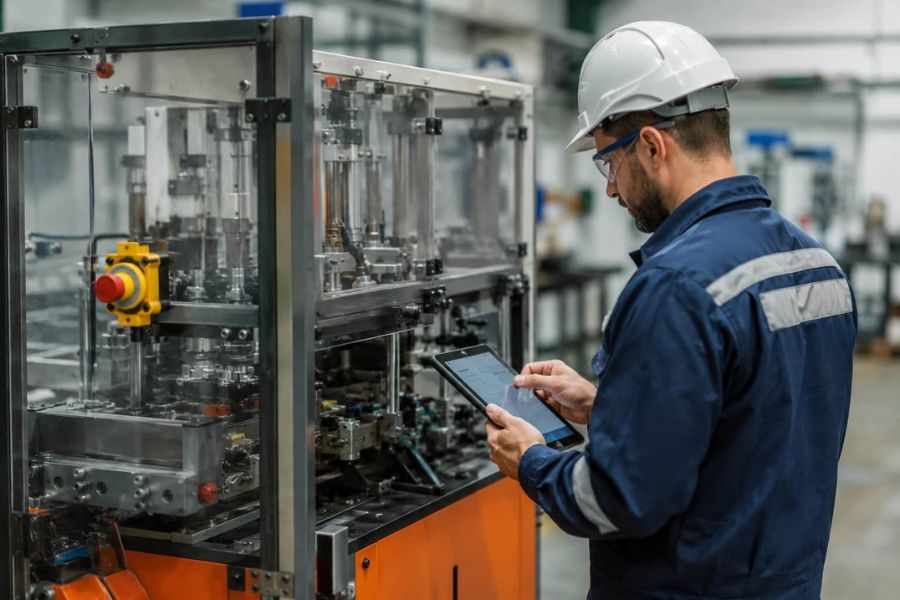
The machinery adaptation process aims to ensure that this equipment meets essential health and safety requirements. This process involves identifying risks and implementing a series of corrective measures to address any discrepancies, no matter how minor. If it is not feasible to eliminate the risk entirely, the goal is to minimize it as much as possible.
7. A dedicated person
Every facility involved in industrial processes should have a person responsible for the company’s quality policy. This person must oversee matters such as inspection and certification, monitoring changes to procedures to prevent errors, updating documentation, ensuring the traceability of all procedures and tasks, and supervising and monitoring subcontractors.
8. A sensitized template
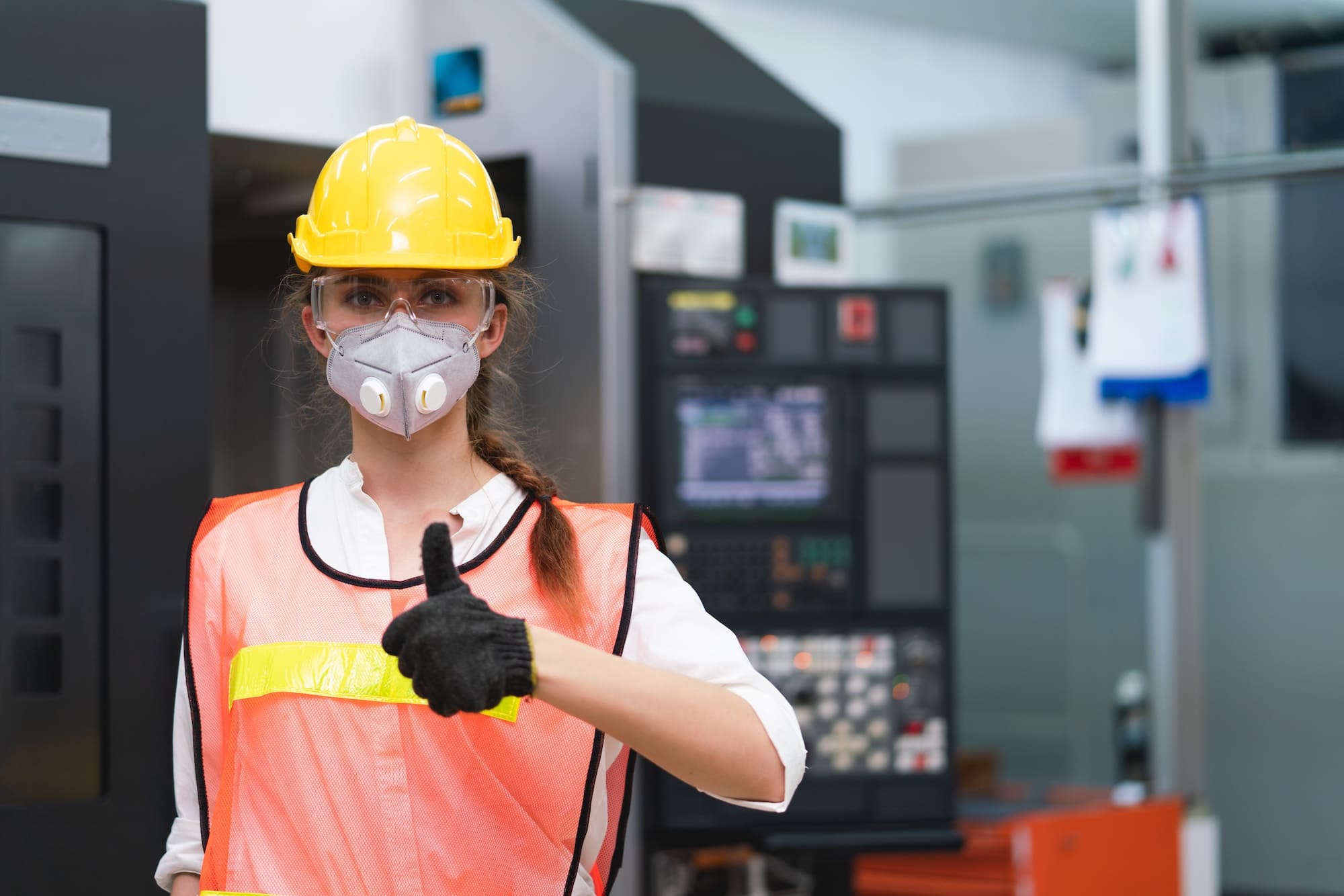
The workforce at plants and factories is the backbone of the organization and must be fully aware of the company’s quality policy so that risks can truly be reduced and the safety culture improved.
9. Take action
It is not enough simply to have a theoretical protocol and put it into practice; the results must also be communicated throughout the entire company, starting with management itself.
At Grupo TICE Ingenieros, we are experts in industrial safety, and we’re here to help and advise you on any questions you may have regarding the application of these regulations at your workplace. Contact us with no obligation at 961 55 40 72 or by emailing us at comercial@grupotice.es.