Acoustic Engineering

Industrial Acoustic Engineering

Acoustic Studies, Industrial Diagnostics and Corrective Measures in Acoustic Engineering.

Industrial Acoustic Engineering Experts

At Grupo TICE, we approach acoustic engineering from a thoroughly industrial perspective: precise, regulatory, and results-oriented. Our work begins with identifying the source of noise and vibrations, factors that affect workplace safety, compliance with RD 286/2006, and machinery lifespan. It continues with the design of customised solutions capable of correcting the problem without interrupting the client's operations.

Having worked in demanding production environments and plants for over 20 years, we have developed a comprehensive approach that combines certified noise measurements, advanced vibroacoustic analysis, and the design of professional acoustic insulation systems, enclosures, barriers, and specific dampers for heavy loads. Our objective remains the same: to ensure safer, quieter, and more efficient environments, reinforcing operational continuity and the reliability of every facility.
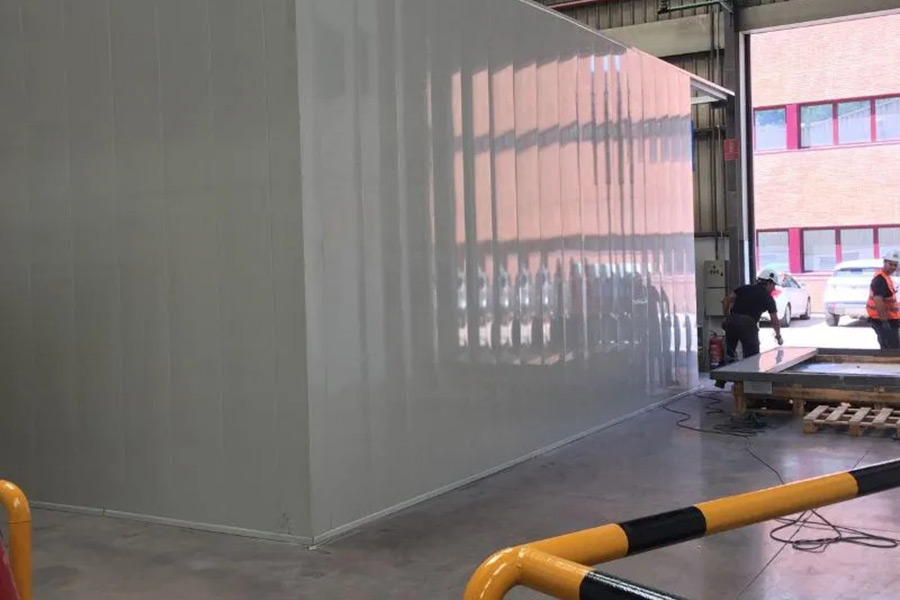
What is Industrial Acoustic Engineering?

Industrial Acoustic Engineering for Noise and Vibration Control

At Grupo TICE, we approach industrial acoustic engineering as a fundamental technical process to guarantee the safety, performance, and reliability of any production environment. Our work involves accurately analysing how noise and vibrations affect operators, production lines, and the lifespan of each machine, applying advanced methodologies and certified measurements that allow us to identify the real source of each problem.

Noise and vibration control is crucial in industry: it influences compliance with RD 286/2006, reduces occupational risks, minimises damage caused by vibrations, and avoids operational losses associated with recurring mechanical failures. Thanks to our experience and ability to design bespoke solutions, from professional acoustic insulation to anti-vibration systems for heavy loads, we can effectively rectify situations that compromise both worker well-being and plant efficiency.

Our philosophy is clear: to apply acoustic engineering as a strategic tool that optimises operational continuity, enhances equipment performance, and ensures a quieter, safer, and more stable industrial environment in the long term.

Our Acoustic and Vibration Engineering Services

To guarantee the correct acoustic behaviour of each installation, at Grupo TICE we develop specialised solutions that range from the study and analysis of noise and vibrations to the design and implementation of corrective measures. Each service is carried out by a multidisciplinary team that analyses the installation, identifies the source of the problem, and applies the necessary solutions to comply with current regulations and improve comfort, safety, and process performance.

Does your Industrial Facility comply with the noise and vibration limits required by regulations?

Why choose Grupo TICE as Specialists in Industrial Acoustic Engineering

At Grupo TICE, we apply over two decades of experience in acoustic engineering and vibration control to offer reliable, measurable, and bespoke solutions for each installation. Our approach combines advanced diagnostics, in-house manufacturing capabilities, and precise execution that guarantees real results in complex industrial environments.

Over 20 years of experience in Acoustics and Vibrations

Our experience allows us to understand the behaviour of noise and vibrations in a wide variety of sectors, providing technical solutions with a high degree of specialisation.

Experts in Shock Absorbers and Solutions for Heavy Loads

We design and select specific anti-vibration systems for heavy or high-frequency machinery, optimising their stability and reducing mechanical wear.

Comprehensive Capability: Diagnosis, Design, Manufacturing and Installation

We control the entire technical process, from initial measurement to the implementation of corrective action. This ensures consistency, traceability, and execution without external dependencies.

Calibrated Instrumentation and Advanced Analysis

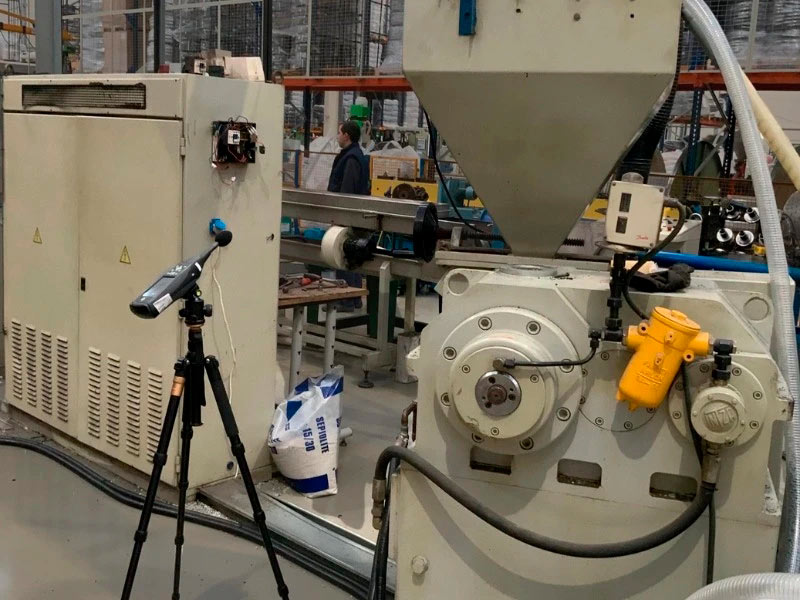
We work with sound level meters, accelerometers and professional analysis software to obtain precise data and define the most suitable solution in each case.

RD 286/2006 and Industrial Safety Standards

All our services are geared towards ensuring compliance with regulations concerning noise and vibrations, thereby reducing legal risks and facilitating audits or inspections.

Commitment to Results and Operations

Our solutions are designed with a focus on production process efficiency, reducing downtime, preventing recurring breakdowns, and improving plant reliability.

When to Carry Out an Acoustic Study or Industrial Adequacy

In a production facility, the need to carry out an acoustic study or vibro-acoustic remediation arises whenever noise or vibration levels could compromise safety, machinery reliability, or regulatory compliance. At Grupo TICE, we analyse each situation with certified instrumentation to determine the origin of the problem and define precise corrective actions tailored to each industrial plant. Below, we detail the most common scenarios where intervention is essential.

Excessive Noise in Workplaces.

When exposure levels exceed the values established by RD 286/2006, the company is obliged to take measures. An acoustic study allows for the quantification of the actual noise level, the assessment of personnel exposure, and the definition of solutions that guarantee legal compliance and the safety of the operators.

Vibrations from Machinery Operating Continuously.

Prolonged vibrations affect both the comfort of workers and the integrity of machinery. This phenomenon can lead to recurring breakdowns, misalignments, component failures, and loss of performance. A vibroacoustic analysis identifies the source and magnitude of the problem to design suitable damping or isolation systems.

Complaints from Workers due to Acoustic Fatigue or Discomfort.

The perception of excessive noise or bothersome vibrations is usually the first indication that there is an acoustic imbalance in the plant. Addressing these early warning signs prevents the problem from escalating into situations of occupational risk, medical impact, or regulatory non-compliance.

Need to Extend the Lifespan of Sensitive Machinery.

Precision equipment, continuous production machinery or auxiliary systems can have their service life reduced if they operate under uncontrolled vibrations. With an acoustic and vibrational study, it is possible to detect anomalous patterns, anticipate failures and apply measures that increase the reliability and availability of the equipment.

Problems in Auxiliary Installations.

Auxiliary equipment, such as pumps, compressors, fans, extractors, presses, and other support machinery, are often critical sources of noise and vibration within an industrial plant. When they exhibit mechanical imbalances, resonances, or excessive sound pressure levels, their impact can extend to operational zones and adjacent areas. A specialised acoustic study can identify the cause of the problem and select effective solutions such as absorptive treatments, enclosures, or isolation systems that significantly reduce their influence on the operating environment.

Requirements for Internal or External Audits in OSH.

Before a health and safety risk prevention audit, or when applicable regulations are updated, it is advisable to assess the acoustic condition of the facility. This allows for the traceability of measurements, justification of personnel exposure, and demonstration of compliance with established limits.

Implementation of New Production Lines or Relocation of Equipment.

The incorporation of new machinery or the reorganisation of a plant can generate unforeseen sources of noise or vibrations. A preliminary study helps to define the optimal location, design preventive measures, and control the acoustic impact before commissioning, thereby preventing future problems.

Benefits of Applying Industrial Acoustic Engineering in Your Facilities

The application of industrial acoustic engineering solutions allows for noise and vibration control, optimisation of equipment reliability, and ensuring regulatory compliance. At Grupo TICE, we work with certified measurements and bespoke corrective measures to improve safety, efficiency, and production continuity.

Regulatory Compliance and Legal Risk Reduction.

An acoustic study assures that the installation complies with Royal Decree 286/2006, avoiding sanctions and providing the necessary technical documentation for audits and inspections.

Reduction of Noise and Vibrations in Critical Areas.

The solutions applied directly reduce sound pressure and vibrations, improving plant operability and decreasing personnel exposure.

Improving Workplace Safety and Comfort.

A quieter and more stable environment reduces acoustic fatigue and increases the sense of security, promoting more efficient and safer work.

Extension of the Service Life of Machinery and Ancillary Equipment.

Controlling vibrations reduces mechanical wear, improves equipment stability, and extends its operational lifespan.

Reduction of Breakdowns due to Vibrations.

Vibration mitigation prevents repetitive failures and reduces unplanned downtime, improving continuity and production performance.

Industrial sectors requiring Acoustic Engineering

Noise and vibration behaviour varies according to the type of industry, the equipment used and the nature of production processes. At Grupo TICE, we tailor each acoustic intervention to the real needs of each sector, combining certified measurements, vibroacoustic analyses and bespoke solutions to guarantee operational stability, workplace safety and sustained performance in any industrial plant.

Ceramics, Automotive, Plastics and Manufacturing.

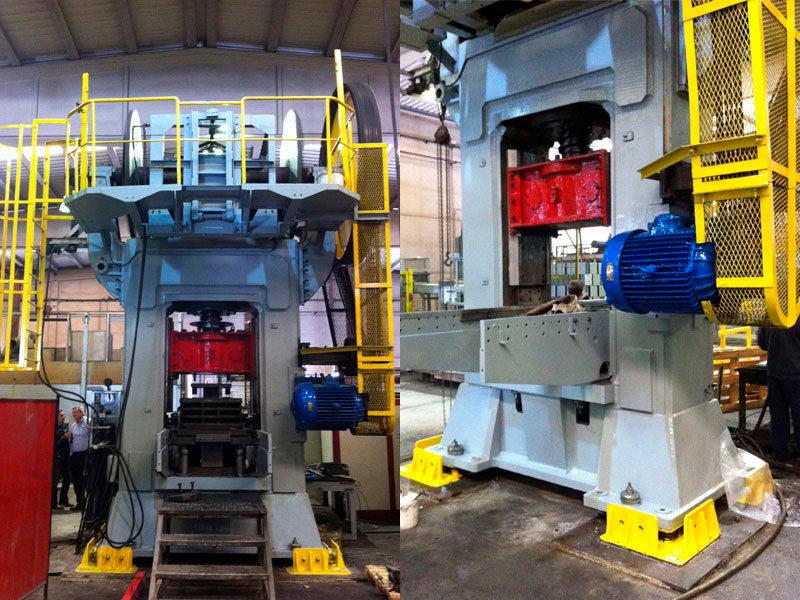
In sectors with continuous production lines, heavy machinery, and high-speed equipment, noise and vibrations are critical factors. We design acoustic solutions that reduce operator exposure, stabilise high-frequency machinery, and improve the dynamic behaviour of presses, extruders, robots, or automated systems.

Feeding and Processes with Continuous Machinery.

Food processing facilities work with constantly running equipment, such as conveyors, packaging machines, mixers, or refrigeration systems. We apply acoustic solutions to control the noise generated by continuous machinery, improve workplace comfort, and ensure a productive environment compatible with the operational and regulatory requirements of the sector.

Chemical, Pharmaceutical and Processing Industries.

These facilities typically house pumps, reactors, compressors, and ventilation systems that generate high levels of airborne and structural noise. Our acoustic studies allow for the precise identification of the source of the problem and the implementation of measures such as enclosures, barriers, vibroacoustic insulation, or anti-vibration mounts that improve safety and minimise interference in sensitive processes.

Logistics and Operators with Pump rooms, Forklifts or Compressors.

In logistics environments, the presence of auxiliary machinery and continuous maintenance equipment can lead to significant acoustic impacts. At Grupo TICE, we implement solutions that reduce noise transmission between areas, stabilise machinery in technical rooms, and ensure daily operations are carried out with controlled vibration levels.

Metalworking, Energy and Large Format Machinery

Metallo-mechanical equipment, energy installations, high-tonnage presses, turbines, fans, or intensive production systems require specific vibro-acoustic control. Through advanced analysis and professional insulation systems, we improve mechanical performance, reduce premature wear, and guarantee a safer and more stable working environment.

Technical Experience and Guarantee in Industrial Acoustic Engineering

With over two decades of experience in industrial engineering, Grupo TICE Ingenieros regularly works with companies in sectors as diverse as automotive, manufacturing, food, pharmaceuticals, logistics, ceramics, and chemicals. This multi-sector experience allows us to understand the operational specificities of each industry and adapt the suitability of machinery to RD 1215/1997 to the real requirements of each production environment.

Our projects are characterised by their technical rigour, adaptability, and the delivery of certified solutions that fully comply with current regulations. Thanks to this combination of knowledge, methodology, and specialisation, we guarantee a safe, effective, and aligned fit with the requirements of any industrial sector.

Years of Experience
+ 0
Projects Completed
+ 0
Advised Companies
+ 0

Industrial Acoustic Engineering Projects Undertaken

Work methodology in industrial acoustic engineering projects

At Grupo TICE, we apply a rigorous engineering methodology that combines professional measurements, advanced diagnostics, and the design of specific solutions to control noise and vibration in industrial environments. Our process guarantees regulatory compliance, workplace safety, and more efficient facility operation.

Acoustic and Vibration Measurement.

We carry out precise measurements with calibrated sound level meters and accelerometers to obtain actual noise and vibration levels. This information allows us to identify deviations, quantify worker exposure, and establish the technical basis for designing corrective solutions.

1
Diagnosis of Foci and Transmission.

We analyse the origin of the noise, its propagation, and the points of vibratory transmission between machines, structures, and enclosures. This diagnosis is key to defining effective measures and avoiding generic solutions that do not solve the problem at its source.

2
Regulatory Compliance Plan.

We are establishing the necessary actions to guarantee compliance with RD 286/2006 and other applicable obligations. We are evaluating limits, exposure conditions, and organisational measures, integrating acoustic control into the overall occupational risk prevention strategy.

3
Corrective Measures Design.

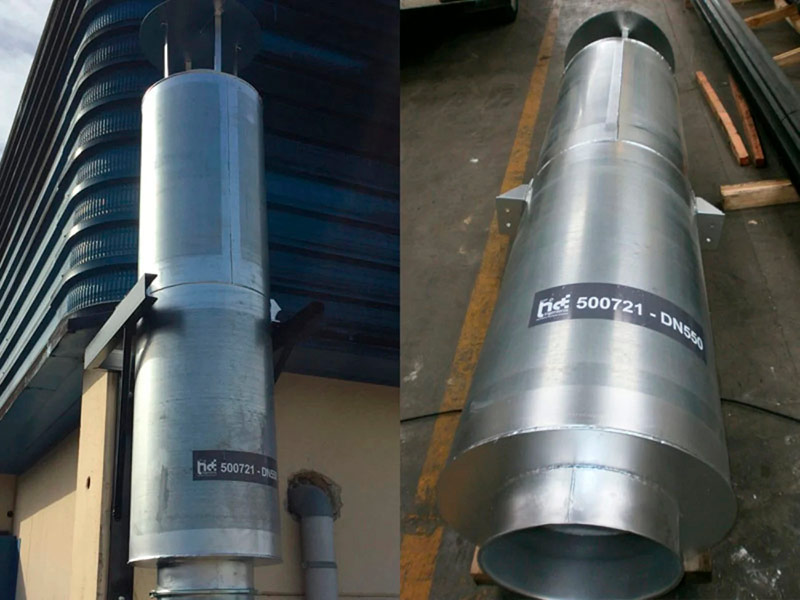
We develop specific solutions such as acoustic enclosures, cabins, partitions, absorbent barriers, pipe insulation, and even special dampers for heavy loads. Each measure is custom-designed according to the machinery, the production environment, and the required attenuation level.

4
Solution Implementation.

We carry out the complete adaptation of the defined measures, coordinating manufacturing, assembly, and commissioning. We verify their effectiveness through new measurements and ensure that the installation meets the planned acoustic parameters and associated regulatory requirements.

5

Control industrial noise before it affects your production and your team.

FAQs about our industrial acoustic engineering service

What does an industrial acoustics engineering company like Grupo TICE offer?

At Grupo TICE, we are an acoustic engineering company in Valencia specialising in detecting, measuring and correcting noise and vibration problems in industrial environments. We carry out certified acoustic measurements, vibroacoustic analyses and technical diagnostics that allow us to accurately identify the source of the problem.

From this data, we design bespoke acoustic solutions, which may include enclosures, insulation, absorbent treatments, or anti-vibration systems for critical machinery and equipment. Our work covers the entire process: from the initial study to the implementation of corrective measures that ensure regulatory compliance, machinery stability, and a safer, more efficient working environment for our clients in the Valencian Community.

What kind of acoustic solutions does Grupo TICE offer?

At Grupo TICE, we apply acoustic solutions tailored to each industrial installation. Among the most common are:

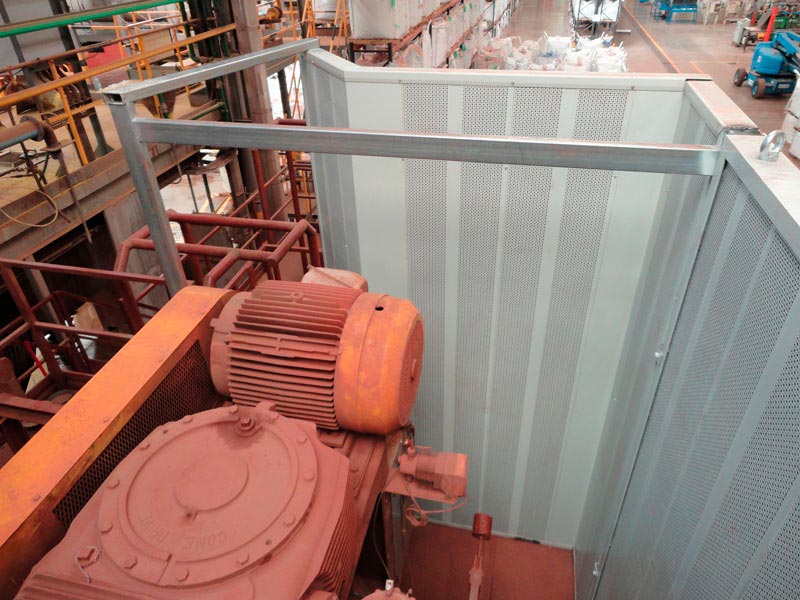
  • Acoustic insulation of machinery to reduce sound emission towards work areas.


  • Soundproof enclosures and pods, custom-designed for noisy equipment.


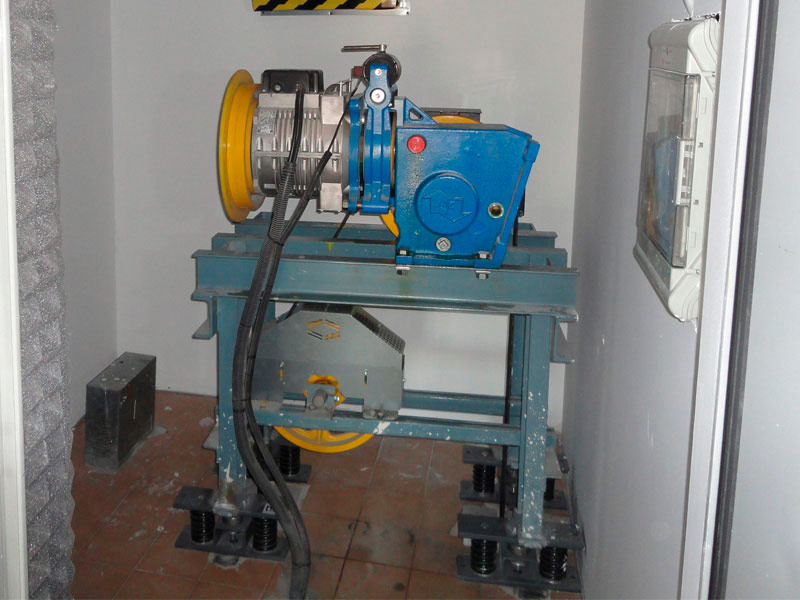
  • Anti-vibration systems to minimise resonance and protect machinery.


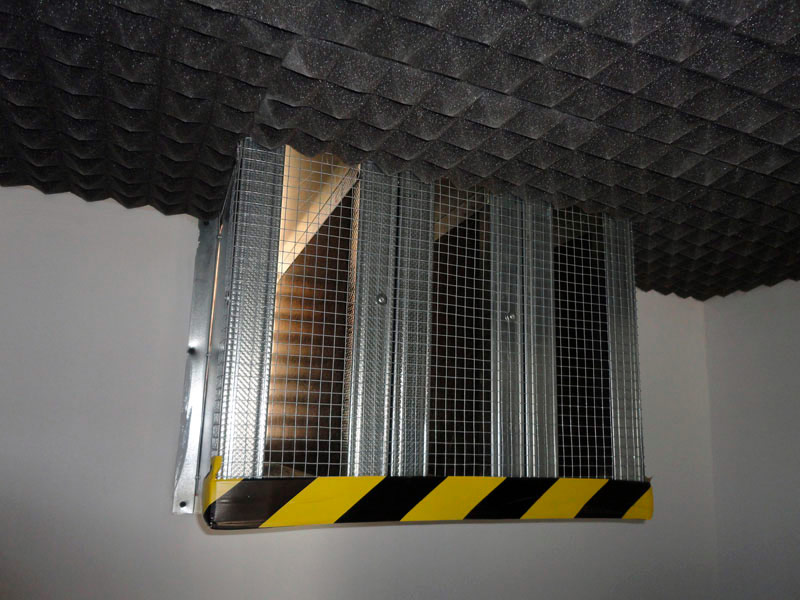
  • Acoustic conditioning of technical rooms, such as pump rooms, compressor rooms, or ventilation rooms.


  • Certified acoustic studies and reports for audits, licensing or regulatory requirements.


These solutions are designed according to the type of noise, the emitting source and the operational needs of each plant.

What is the difference between an acoustic study and acoustic treatment?

Both processes are part of acoustic engineering, but they serve different functions:

  • Acoustic studyAnalyze and measure noise and vibration levels with certified instrumentation to identify the source of the problem and define the most suitable technical solutions.


  • Acoustic Suitability is the phase in which these solutions are implemented, such as absorbent panels, enclosures, silencers or anti-vibration systems, ensuring noise reduction and improved vibration behaviour of the machinery.


This difference allows each project to be approached with precision: first a reliable diagnosis, followed by the implementation of effective corrective measures.

How do industrial vibrations affect machinery and personnel safety?

Industrial vibrations can generate direct impacts on both machinery performance and operator health. Among their most common effects are:

  • Reduced machinery lifespan, accelerating wear and reducing the reliability of critical equipment.


  • Breakdowns, misalignments, and recurring failures, especially on sensitive or continuously operating machines.


  • Discomfort, fatigue and stress in staff, affecting workplace comfort and increasing the risk of incidents.


Adequate vibration control through anti-vibration solutions and vibroacoustic studies allows for improved plant safety, efficiency, and operational stability.

La normativa que regula la acústica industrial y el control del ruido en España es principalmente el Real Decreto 286/2006, de 10 de marzo, sobre protección de la salud y seguridad de los trabajadores contra los riesgos relacionados con los agentes físicos: ruido. Este real decreto, que transpone la Directiva 2003/10/CE, establece los límites de exposición y las medidas preventivas y de protección que deben adoptarse en el ámbito laboral.Además de este real decreto, hay otras normativas que pueden ser de aplicación dependiendo del contexto específico, como la Ley 37/2003, de 30 de noviembre, del Ruido, que se centra en el ruido ambiental y las actividades molestas, y diversos reglamentos y normativas autonómicas y locales que desarrollan o complementan la legislación estatal en materia de protección contra la contaminación acústica.

Industrial acoustics in Spain is regulated by different standards that establish the limits and requirements that companies must fulfil:

  • Royal Decree 286/2006, which protects workers against exposure to noise in the workplace.


  • Law 37/2003 on Noise and RD 1367/2007, which regulate sound emissions and permissible levels according to the activity.


  • Town by-laws, which set specific limits for each municipality or industrial estate.


At Grupo TICE, we ensure that each acoustic engineering project complies with applicable legislation and can successfully pass audits, inspections, and technical-regulatory requirements.

How to design a bespoke acoustic solution for heavy machinery?

The design of an acoustic solution for heavy machinery requires specific technical analysis, as this equipment generates high levels of noise and vibrations. The process begins with certified measurements that allow the identification of the emitting source, its frequency, and how it is transmitted to the structure or environment.

From this data, the most suitable elements are selected, such as industrial enclosures, high-performance absorbent panels, or anti-vibration systems sized for the machine's actual load, and a solution tailored to the operating conditions and the plant's regulatory requirements is defined.

This methodology guarantees that noise and vibration reduction is effective without interfering with the equipment's operation, maintenance, or safety.

What is the cost of an industrial security service?

The cost of an industrial safety service varies depending on the type of facility, the amount of machinery involved, and the complexity of the processes that need to be evaluated. There is no standard price, as each plant requires a different level of analysis and protection measures tailored to its specific risks. Factors such as available documentation, the condition of the equipment, and whether subsequent adjustments or improvements are necessary also influence the cost.

At Grupo TICE, we carry out an individual assessment of each case to offer a quote that is tailored and consistent with the company's actual needs. If you would like to know the approximate cost for your installation, we can guide you with an initial consultation and assess what type of intervention you require.

Do acoustic solutions require periodic maintenance?

Yes. Industrial acoustic solutions require periodic maintenance to ensure they continue to provide the intended level of attenuation. Components such as enclosures, absorbent panels, or anti-vibration systems can deteriorate with use, dust accumulation, or the conditions of the industrial environment.

A scheduled review allows for checking the condition of materials, adjusting supports or dampers, and ensuring that the installation maintains its acoustic and vibroacoustic performance in the long term. At Grupo TICE, we recommend establishing a maintenance plan tailored to each type of machinery and the plant's operating intensity.

How long does an industrial acoustic study take?

The duration of an industrial acoustic study depends on the size of the facility, the number of machines to be assessed, and the complexity of the issue. In most cases, noise and vibration measurements can be completed in a single day, while the technical analysis and report generation require additional time to process the data accurately.

In general, a comprehensive study is usually ready within a few days, offering a clear diagnosis and the necessary recommendations for implementing the most appropriate corrective measures.

Why is it important for a specialised company to carry out an industrial acoustic study or adaptation?

Noise and vibration problems in industry require precise technical analysis. A company specialising in industrial acoustic engineering has certified instrumentation, experience with machinery from various sectors, and the capability to design truly effective solutions.

Working with specialists ensures a reliable diagnosis, acoustic suitability that complies with regulations, and corrective measures that do not affect plant operations. Furthermore, it reduces the risk of implementing inefficient or insufficient solutions that do not resolve the root problem.

How much does an acoustic study or a vibration control solution cost for an industrial plant?

The cost of an industrial acoustic study depends on the size of the facility, the number of pieces of equipment to be evaluated, the complexity of the problem, and the type of solution required. There is no single price, as each plant presents different noise and vibration sources.

In general terms, the budget is calculated based on the necessary measurements, vibroacoustic analysis, design of corrective measures, and implementation of the solution. At Grupo TICE, we offer a tailored proposal for each case, guaranteeing an effective intervention adapted to the client's real needs.

Contact Us

Put your project of Acoustic Engineering In the hands of specialists.

Contact our technical team and we will guide you to the most suitable solution.