Compliance with RD 1215/1997

Ensure the safety, regulatory compliance, and reliability of your industrial machinery.

Suitability of Machinery for RD 1215/1997

At Grupo TICE, we specialise in the adaptation of machinery to Royal Decree 1215/1997, an area in which we have years of experience working with demanding industrial environments. Our team of engineers rigorously analyses each installation from a technical standpoint, identifying the requirements the machine must meet and implementing solutions that guarantee its safe and compliant use according to current regulations.

Thanks to our multidisciplinary approach, we can assess machinery from a global, mechanical, electrical, and operational perspective, and support the client throughout the entire compliance process, from the initial assessment to final verification. For companies that need safety, traceability, and legal compliance, Grupo TICE is your go-to technical partner.
What is Machinery Compliance with Royal Decree 1215/1997?

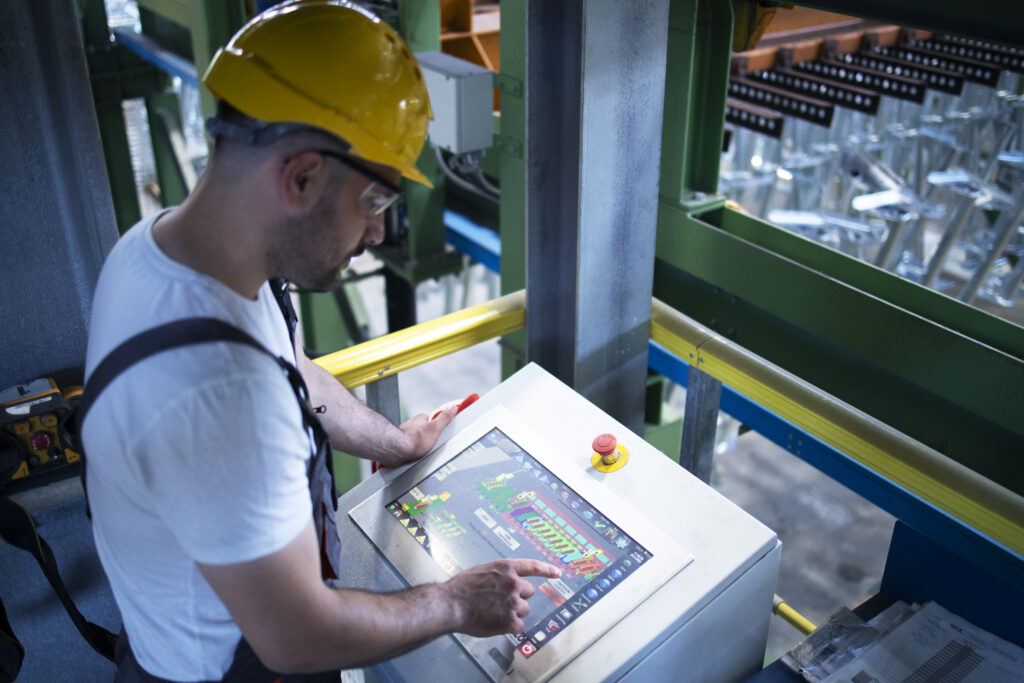
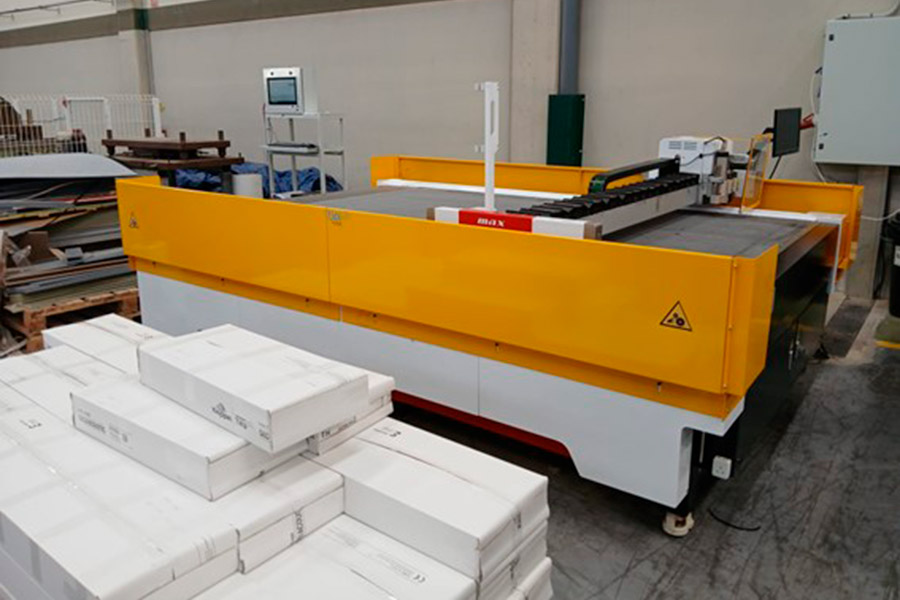
The suitability of machinery to RD 1215/1997 is the process by which it is guaranteed that all work equipment used by employees complies with the minimum health and safety provisions established by this Royal Decree. The legislation requires employers to ensure that any machine in use, whether new, old, or imported, has the necessary protective measures to avoid risks and guarantee safe operation.

At Grupo TICE Ingenieros, we carry out this process through specialised technical audits that allow us to identify deficiencies, assess the risks associated with the equipment, and define the necessary actions to comply with current regulations. Thanks to this work, existing machinery can be updated and adapted to current safety requirements, reducing hazards for workers and improving the operational reliability of the equipment.

Our objective is to ensure that each machine complies with legal and technical requirements, reinforcing the prevention of workplace accidents and providing the client with a safer, more efficient, and documented working environment in accordance with the criteria of Royal Decree 1215/1997.

What our service includes
Conformity with Royal Decree 1215/1997

The service covers all necessary phases to ensure that machinery meets the safety requirements established in the Royal Decree. Each action is performed following technical and regulatory criteria, ensuring a documented and fully traceable process.

Initial Risk Assessment (ISO 12100)

We systematically review each point of the Royal Decree to check that the equipment has all the required safety elements and that its use does not pose a risk to the operators.

Verification of Compliance with Royal Decree 1215/1997

We apply the UNE-EN ISO 12100 methodology to identify hazards, assess risks, and define solutions that ensure the safe use of machinery in any industrial environment.

Identification of Shortcomings and Proposal of Corrective Measures

We detected technical or safety deficiencies and propose the necessary improvements so that the machine reaches the level of protection required by current regulations.

Installation or Adaptation of Protective and Safety Systems

We implement safety guards, interlocking systems, emergency stops, signage, and any additional elements that guarantee safe equipment operation.

Preparation of the Complete Technical Dossier

We have prepared the documentation that attests to the performed compliance, including reports, plans, technical data sheets, and evidence of compliance with Royal Decree 1215/1997.

Issuance of Certificate of Adequacy

We are issuing the document certifying that the machine complies with legal requirements and is ready for safe use within the industrial facility.

Does your machine comply with Royal Decree 1215/1997? We can help you verify it.

When should a company adapt its machinery to RD 1215/1997

Machinery suitability should not only be assessed after an incident. There are specific situations in which regulations require the safety conditions of equipment to be reviewed, updated, or verified. At Grupo TICE, we help identify these key moments and act to ensure that each machine meets legal requirements before problems arise.

Initial Assessment.

When security deficiencies are detected or an accident occurs. If failures in protections are observed, anomalous behaviours, or an incident has taken place, it is essential to review the equipment to re-establish the safety conditions required by legislation.

Periodic Review.

It is recommended to review equipment annually to ensure its safety. Regular reviews allow for the detection of wear and tear, unauthorised modifications, or hidden faults that could compromise the safety or operational performance of the installation.

Significant changes.

If the production process is modified or new safety elements are incorporated. Any modification in the use, environment or interaction of the machine may generate new risks. In these cases, the adequacy must be updated to reflect the new situation.

New addition.

When integrating a new machine or set, it must be evaluated as a complete system. When machinery is added to a line or a set of equipment is created, it is necessary to verify that all elements work safely and comply with RD 1215/1997 as a functional unit.

Benefits of Adapting Your Machinery to Royal Decree 1215/1997

Adapting machinery to RD 1215/1997 not only guarantees legal compliance but also provides a higher level of safety, operational stability, and confidence for the entire plant. At Grupo TICE, we apply technical solutions that allow each piece of equipment to operate under the required protection conditions, improving reliability and reducing day-to-day risks.

Regulatory Compliance Guaranteed.

Allows each machine to be operated in accordance with current legislation, avoiding penalties, requirements from the labour authority and possible liabilities associated with the use of inappropriate equipment.

Enhanced Security for Your Equipment.

Increase operator protection and reduce the probability of incidents. A properly guarded machine offers greater control and stability in its operation.

Risk-free Business Continuity.

By correcting deficiencies and improving safety systems, operational failures, unexpected shutdowns, and problems arising from wear and tear or uncontrolled equipment use are minimised.

Backed Technical Certification.

The machine is documented with reports and certificates that attest to its suitability. This facilitates audits, inspections, and the necessary technical support with official bodies or insurers.

Technical Experience and Guarantee for Machinery Adaptation to RD 1215/1997

With over two decades of experience in industrial engineering, Grupo TICE Ingenieros regularly works with companies in sectors as diverse as automotive, manufacturing, food, pharmaceuticals, logistics, ceramics, and chemicals. This multi-sector experience allows us to understand the operational specificities of each industry and adapt the suitability of machinery to RD 1215/1997 to the real requirements of each production environment.

Our projects are characterised by their technical rigour, adaptability, and the delivery of certified solutions that fully comply with current regulations. Thanks to this combination of knowledge, methodology, and specialisation, we guarantee a safe, effective, and aligned fit with the requirements of any industrial sector.

Years of Experience
+ 0
Evaluations Carried Out
+ 0
Reports Issued
+ 0
Advised Companies
+ 0

Working Methodology for Projects on Adaptation to Royal Decree 1215/1997

At Grupo TICE Ingenieros, we apply a structured work process that guarantees each machine is evaluated, adapted, and certified with technical rigour and full traceability. Our methodology combines auditing, engineering, and verification to ensure compliance with Royal Decree 1215/1997 is carried out completely, efficiently, and with proper documentation.

Initial Technical Audit.

We assess the real state of the machine, its environment, and its usage mode to identify risks, deficiencies, and compliance requirements according to Royal Decree 1215/1997.

1
Risk Analysis and Proposals.

We carried out a detailed hazard study and determined the necessary corrective measures to achieve the safety conditions required by the regulations.

2
Design and Implementation of Corrective Measures.

We develop the necessary technical solutions, protections, electrical improvements, control systems, signalling and safeguards, and implement each element with safety and operational criteria.

3
Technical Validation and Documentation.

We verify that all implemented measures comply with regulations and prepare the documentation that proves their suitability, including reports, plans, and technical records.

4
Certification and Final Delivery.

We issue the certificate of conformity with RD 1215/1997, noting regulatory compliance and guaranteeing that the machine can be used safely within the plant.

5

Identify Risks and Avoid Penalties, Speak with Experts.

FAQs About Our Conformity Service to RD 1215/1997

Why is the adaptation of machinery to Royal Decree 1215/1997 compulsory?

Compliance with RD 1215/1997 is mandatory because the employer has the legal responsibility to ensure that all machinery used by their workers offers the necessary safety conditions to prevent accidents. The regulation does not act as a recommendation, but as a requirement that must be met to demonstrate that the company has evaluated the risks, implemented appropriate protective measures, and maintains its equipment in optimal condition for use.

The aim of this obligation is twofold: to protect workers and to ensure that the company can demonstrate, during an inspection or investigation following an incident, that the machinery meets the minimum criteria established by law. Therefore, suitability not only responds to a legal requirement, but also acts as a preventative guarantee that avoids financial liabilities, sanctions and possible business interruptions.

How can I check if a machine complies with the requirements of RD 1215/1997?

To verify if a machine complies with Royal Decree 1215/1997, it is essential to carry out a specific technical assessment of the equipment. During this analysis, the installed guards, safety systems, emergency stop devices, signage, user manuals, and any other element related to operator safety are reviewed in detail.

This review objectively determines whether the machine meets the minimum requirements established by the Royal Decree or if it requires adaptation to ensure safe and compliant operation according to current regulations.

Working with machinery that is not compliant with Royal Decree 1215/1997 generates the following risks:* **Increased risk of accidents:** Non-compliant machinery may lack essential safety features, guards, or emergency stops, leading to a higher likelihood of injuries such as cuts, crushing, amputations, or electrocution. * **Operator exposure to hazards:** Without proper guarding or safety systems, operators may be exposed to moving parts, hazardous substances, noise, or vibrations, which can cause both immediate and long-term health problems. * **Equipment malfunction and failure:** Machinery not designed or maintained to regulatory standards can be more prone to breakdowns, potentially causing damage, production delays, and a greater risk of accidents when failure occurs. * **Ergonomic issues and musculoskeletal disorders:** Non-compliant machinery might not be designed with ergonomics in mind, leading to awkward postures, repetitive movements, and excessive force, increasing the risk of musculoskeletal injuries. * **Fire and explosion hazards:** Inadequate design or maintenance related to electrical systems, flammable materials, or pressure systems can increase the risk of fires or explosions. * **Legal and financial repercussions:** Failure to comply with safety regulations can result in fines, sanctions, work stoppages, and significant legal liabilities in the event of an accident or injury. * **Damage to the environment:** Non-compliant machinery might not have adequate containment for hazardous substances or emissions control, posing a risk of pollution. * **Reduced productivity and efficiency:** Unsafe or poorly functioning machinery can lead to more downtime, maintenance issues, and a less efficient working environment, ultimately impacting productivity.

Operating machinery not adapted to Royal Decree 1215/1997 exposes the company to significant risks, both in terms of safety and legal liability. The lack of guards, stop devices, or control elements can lead to serious workplace accidents, increasing the likelihood of injuries and dangerous situations for operators.

In addition to the risk to individuals, a workplace inspection can result in financial penalties, immediate requirements for correction, or even the cessation of activity if the non-compliance is considered serious. Added to this is the fact that, in the event of an accident, the company and its managers may face additional legal liabilities if they cannot demonstrate that the machinery met the minimum conditions required by regulations.

Taken together, the use of inadequate machinery compromises safety, plant operation, and the company's legal and economic stability.

What machinery must comply with Royal Decree 1215/1997 within a company?

All machinery used in a workplace must comply with Royal Decree 1215/1997, regardless of its age, origin, technology, or level of automation. The regulations apply to machinery with CE marking as well as equipment predating the directive, as well as fixed and mobile machinery, semi-automatic and manual machinery, work tools, and even imported equipment that was never assessed in accordance with European legislation.

The aim of the Royal Decree is to ensure that any equipment present in the facility, from complex machinery to auxiliary equipment, offers adequate safety conditions to protect workers. Therefore, all machinery must be reviewed and adapted when necessary to guarantee safe use in compliance with current regulations.

What does the process of adapting to Royal Decree 1215/1997 undertaken by Grupo TICE Ingenieros consist of?

The adaptation process that we carry out at Grupo TICE Ingenieros covers all the necessary phases to guarantee that the machine complies with the safety requirements established by RD 1215/1997. We begin with a detailed technical inspection of the equipment, where we assess its condition, its mode of use, and the associated risks. Based on this review, we identify the necessary improvements and define the most suitable corrective measures for each case.

Subsequently, we implement the required safety systems, guards, stop devices, interlocks, signage, or additional protective elements, ensuring that each action is correctly integrated into the equipment's operation. Finally, we prepare complete technical documentation, which includes the evaluations carried out and the measures applied, and we offer specific training to operators when requested by the client to ensure safe and responsible use of the machine.

What is the approximate cost of adapting a machine to RD 1215/1997?

The cost of adapting a machine to Royal Decree 1215/1997 can vary significantly depending on the condition of the equipment, its risk level, the necessary protections, and the scope of the improvements to be implemented. There is no standard price because each machine requires an individual technical analysis to determine the mandatory corrective measures and the type of intervention that will be necessary.

Broadly speaking, factors such as the age of the equipment, the complexity of its safety systems, previous modifications, the level of automation, and associated documentation requirements all play a role. For this reason, at Grupo TICE Ingenieros, we create a personalised assessment for each client, guaranteeing a proposal that is tailored to the actual condition of the machinery and the plant's needs.

If you wish to know the cost for your specific case, we can carry out an initial evaluation and provide you with a detailed quote.

What are the advantages of hiring a specialised engineering firm for compliance with Royal Decree 1215/1997?

Having an engineering firm specialised in RD 1215/1997 guarantees that machinery is adapted with rigorous technical criteria and full knowledge of the regulations. An expert team of engineers can identify risks that might go unnoticed during an internal review, implement safe solutions, and ensure that all modifications comply with the required legal standards.

Furthermore, engineering provides documentary traceability, technical support, and a proven working methodology, all of which are essential elements in inspections, audits, or investigations following an incident. It also ensures that the measures implemented are compatible with the machine's operation and do not create future production problems.

For companies seeking security, compliance, and reliability, specialised engineering such as Grupo TICE offers peace of mind that the entire process is overseen and validated by professionals experienced in industrial environments.

How long does a project to adapt to Royal Decree 1215/1997 typically last?

The duration of a project to adapt to Royal Decree 1215/1997 depends on the condition of the machine, its complexity, and the number of safety measures that need to be implemented. Equipment in good condition and with controlled risks may require brief interventions, while old, modified, or inadequately protected machinery requires a deeper analysis and more extensive adaptation.

Factors such as machine availability for carrying out the work, the need to design bespoke solutions, or the volume of technical documentation to be generated also have an influence. For these reasons, there is no standard timeframe applicable to all cases.

At Grupo TICE Ingenieros, we assess each machine individually and provide a time estimate that is realistic for the equipment and its production environment. If you need to know the anticipated duration for your specific case, you can contact us, and we can carry out an initial assessment.

Contact Us

Put on the Suitability of your machinery to RD 1215/1997 In the hands of specialists.

Contact our technical team and we will guide you to the most suitable solution.