
ATEX

ATEX, Explosive Atmospheres

ATEX Engineering for Controlling and Preventing Explosive Atmospheres.

Services for Explosive Atmospheres

At Grupo TICE Ingenieros, we reinforce our commitment to industrial safety by offering a specialised service for environments with explosion risk and ATEX-classified zones. Our technical team evaluates installations, reviews equipment, generates the required documentation, and supports the client throughout the entire regulatory compliance process, ensuring that each installation operates under the highest safety and reliability conditions.

We work under the framework of ATEX Directive 2014/34/EU and Royal Decree 681/2003, legislation that establishes the employer's obligations in the prevention and control of explosive atmospheres. Thanks to the intervention of our engineers, companies obtain an external technical perspective that increases operational confidence, improves safety, and contributes to achieving the goal of zero accidents in industrial environments where protection is critical.
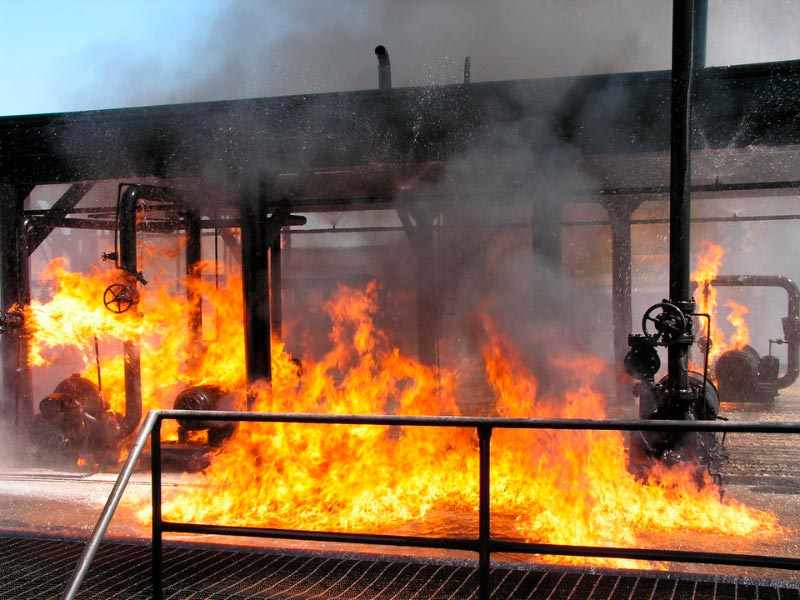
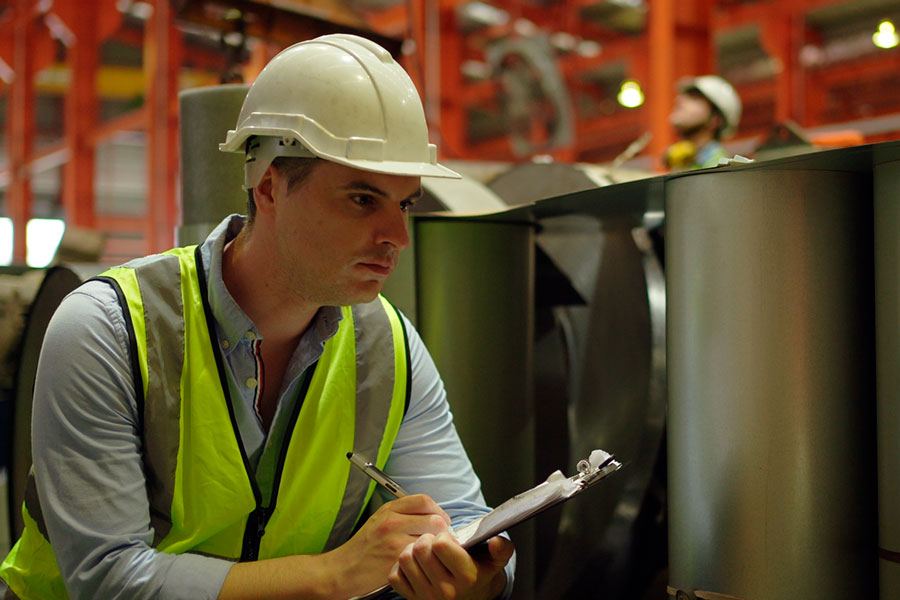
ATEX is a set of EU directives concerning the control of atmospheres susceptible to explosion.

Explosive atmospheres (ATEX) are environments where the presence of flammable gases, vapours, mists or dusts can lead to an explosion if combined with an ignition source. ATEX regulations establish how to identify these risks, classify zones, and implement the necessary measures to prevent serious accidents.

Working in an ATEX area involves analysing the installation, correctly selecting equipment, controlling ignition sources, and implementing preventive and protective measures to guarantee the safety of personnel and the continuity of the production process. All of this must be documented and verified in accordance with ATEX Directive 2014/34/EU and Royal Decree 681/2003, which regulate the design, use, and maintenance of equipment and systems in potentially explosive atmospheres.

At Grupo TICE Ingenieros, we help companies understand and apply these requirements, ensuring safer, certified installations that are fully compliant with current regulations.

ATEX Services offered by TICE Group

At Grupo TICE Ingenieros, we develop comprehensive solutions for installations with a risk of explosive atmospheres, covering everything from zone classification to staff certification and training. Our approach integrates technical analysis, regulatory compliance, and preventive measures that guarantee operational safety and adherence to current ATEX directives. Each intervention is tailored to the specific characteristics of the installation and the level of risk present in the production process.

Zone Classification

We identify, analyse and delineate the areas where explosive atmospheres may form, determining their ATEX category to establish appropriate preventive measures and ensure a controlled and compliant working environment.

DOPEX | DPCE

We have prepared the Explosion Protection Document, which includes the ATEX risk assessment, zone classification, existing protection measures, and the necessary actions to ensure the safety of the facilities.

CE Marking

We carry out the certification of equipment and installations in accordance with ATEX Directive 2014/34/EU, ensuring that all elements installed in classified areas meet the essential safety requirements and can operate without risk of ignition.

Inspection according to RD 681/2003

We carry out periodic reviews of ATEX equipment and installations to verify their condition, confirm compliance with regulations, and ensure continuous legal compliance over time.

Training

We provide specialised training so that workers understand the risks associated with explosive atmospheres, identify dangerous situations and act safely by following established preventive measures.

ATEX Protection Designed for Environments Where Nothing Can Fail.

Industrial sectors requiring specialised ATEX solutions

Explosive atmospheres can appear in very different environments, from chemical processes to food handling or the storage of flammable products. At Grupo TICE Ingenieros, we apply ATEX regulations adapted to the real operations of each sector, guaranteeing safe, controlled and fully certified installations.

Chemical and Pharmaceutical Industry.

We guarantee safety in processes involving volatile substances, solvents, and laboratory equipment. We assess the risks of explosive atmosphere generation and implement protective measures that ensure operational continuity and regulatory compliance.

Food and Agriculture.

We protect facilities where the presence of organic dust, such as flour, grains, or agricultural by-products, can create ATEX zones. We design specific solutions to minimise ignition sources and ensure fully safe handling and packaging processes.

Energy, Plastics and Automotive.

We reduce risks in processes involving combustion, flammable gas emissions, solvent use, or plastic processing operations. We adapt ATEX measures to each production line to ensure a reliable and certified environment.

Chemical Logistics and Warehousing.

We secure warehouses, depots, and transfer areas where flammable liquids or solids are handled. We implement ATEX control, ventilation, signage, and documentation measures to ensure safe and compliant storage in accordance with current regulations.

Benefits of Trusting Grupo TICE for ATEX Projects

Properly managing environments with an explosion risk is a process that requires technical precision, regulatory knowledge, and rigorous interpretation of Directive ATEX 2014/34/EU and RD 681/2003. At Grupo TICE Ingenieros, we offer solutions that combine safety, legal compliance, and fully documented execution, ensuring reliable installations that are prepared for official audits or inspections.

Guaranteed Regulatory Compliance

Avoid sanctions and legal liabilities by ensuring your installation complies with RD 681/2003, ATEX Directive 2014/34/EU, and applicable UNE standards. Our engineers verify that each piece of equipment and procedure meets the requirements for operation in classified areas.

Security in Your Facilities

We apply comprehensive solutions that protect workers, processes, and equipment from explosive atmospheres. This approach ensures that the plant is correctly assessed, critical elements are controlled, and preventative measures are effective and consistent with ATEX regulations.

Full and Documented Implementation

From zone classification, through DOPEX, to the ATEX CE marking of equipment, we deliver a fully executed project backed by the documentation required by law. This facilitates internal audits, external inspections, and the technical traceability of the entire installation.

Technical Experience and Guarantee in ATEX Projects

With over 20 years of experience working in industrial environments with explosion risk, at Grupo TICE Ingenieros we have assisted companies from multiple sectors, including chemical, pharmaceutical, energy, logistics, and food, in the implementation of safe, reliable, and fully documented ATEX systems.
Our technical knowledge, combined with field experience, allows us to identify real risks, apply effective solutions and ensure compliance with ATEX Directive 2014/34/EU and RD 681/2003 with complete rigour.

Clients who trust us know that we don't just carry out zone classification or DOPEX preparation, but we offer continuous support to keep their facilities protected, optimise operating costs and ensure safety in areas where explosive atmospheres are a daily reality.

Years of Experience
+ 0
Projects Completed
+ 0
Advised Companies
+ 0

ATEX Project Working Methodology for Industrial Environments

At Grupo TICE, we apply a comprehensive approach to ensure every installation complies with ATEX regulations and has the necessary measures in place to prevent, control, and mitigate the risk of explosion. Our method combines technical analysis, specialised documentation, and support during implementation.

Explosion Risk Assessment.

We analyse processes, flammable substances, ignition sources and operating conditions to identify situations that could generate explosive atmospheres. This assessment determines the actual risk level and forms the basis for classification and planning of measures.

1
Classification of ATEX Zones.

We determine zones 0, 1 and 2 for gases, and 20, 21 and 22 for combustible dusts, based on the probability and duration of an explosive atmosphere. This classification allows for the definition of technical requirements, permitted equipment and specific control measures.

2
Explosion Protection Document Preparation.

We draft the DOPEX/DPCE with risk assessment, zone classification, preventive measures, and safety procedures. This document is mandatory and demonstrates regulatory compliance for audits, occupational health and safety, and official inspections.

3
Definition of Preventive and Protective Measures.

We design technical and organisational measures to eliminate or minimise the risk of explosion: control of ignition sources, ventilation, inerting, earthing, signalling, protective devices and operating procedures adapted to the installation.

4
ATEX Equipment and Components Advice.

We review the suitability of existing equipment and advise on the selection, installation or adaptation of ATEX-certified equipment. This ensures that machinery, electrical instruments and auxiliary systems meet the requirements established for each classified zone.

5
Technical and Documentary Support for Audits.

We support the company in internal and external audits, providing documentation, certifications, evidence, and technical clarifications. This support ensures that the installation passes inspections and maintains demonstrable and up-to-date ATEX compliance.

6

Find out if your installation needs an ATEX inspection. We'll advise you.

FAQs About Our ATEX Service

How are ATEX zones 0-1-2 and 20-21-22 classified in an industrial facility?

The ATEX directive establishes six types of zones based on the probability and duration of the presence of an explosive atmosphere. Zones 0, 1, and 2 correspond to flammable gases, vapours, or mists; zones 20, 21, and 22, to combustible dust in suspension.
The classification is based on a key principle: the more frequent and prolonged the presence of an explosive atmosphere, the higher the requirements for equipment protection and design.

Summary classification according to regulations:

  • Zone 0 / Zone 20 → An explosive atmosphere is present continuously, for long periods or frequently.

  • Zone 1 / Zone 21 → Explosive atmospheres appear occasionally during normal operation.

  • Zone 2 / Zone 22 → An explosive atmosphere is not expected during normal operation, and if it does occur, it will only be for brief periods.

At Grupo TICE Ingenieros, we evaluate each area of the plant to correctly determine the applicable ATEX zone, as the permitted equipment, protective measures, and the safety design of the entire installation depend on this classification.

What is DOPEX/DPCE in an ATEX installation?

The DOPEX (or DPCE – Document for Protection Against Explosions) is the technical document that gathers all the necessary information to demonstrate that an installation with a risk of explosive atmospheres has been correctly assessed and protected.

Include the explosion risk assessment, ATEX zone classification, implemented preventive measures, safe operating procedures, and all documentation proving that the company adequately controls and manages this type of risk.

At Grupo TICE Ingenieros, we prepare the DOPEX in accordance with RD 681/2003 and ATEX Directive 2014/34/EU, ensuring the document meets all legal, technical, and audit requirements.

Companies that are obliged to have a DOPEX/DPCE according to RD 681/2003 are those that operate in sectors with specific risks, such as:* **Installations that use or store dangerous substances:** This includes facilities handling flammable, explosive, toxic, or corrosive substances. * **Installations with a high risk of fire or explosion:** Relevant for industries where these hazards are significant. * **Installations that produce significant pollution:** Particularly those affecting the environment.The specific classification and requirements are detailed within the Royal Decree itself, which aims to prevent and control major industrial accidents.

Royal Decree 681/2003 obliges all companies where explosive atmospheres may be generated to have a DOPEX before commencing their activity. This includes sectors such as:

  • Chemist and pharmacist

  • Food and agricultural (flours, sugar, combustible dust)

  • Plastics and automotive

  • Logistics and storage of flammable products

  • Energy and waste treatment

Furthermore, the document must be kept up to date when processes, equipment, substances, or plant layouts change.

Working without DOPEX not only implies regulatory non-compliance: it can also lead to sanctions, equipment shutdown, and legal liabilities in the event of an accident.

What should a DOPEX (DPCE) include to comply with ATEX regulations?

A DOPEX must certify that the company has evaluated and controlled all risks associated with explosive atmospheres. To be valid, it must include the risk assessment, ATEX zoning, the prevention and protection measures applied, and the safe operating conditions for equipment in accordance with Royal Decree 681/2003.
It must also reflect maintenance procedures and consistency with other regulations, such as RD 1215/1997.

At Grupo TICE Ingenieros, we prepare complete and up-to-date DOPEX, ensuring that each installation complies with all technical and legal requirements.

Which equipment must be CE ATEX marked according to Directive 2014/34/EU?

All equipment, whether electrical or non-electrical, that could act as an ignition source in a zone with a risk of explosive atmospheres must bear the ATEX CE marking. Directive 2014/34/EU governs their design, certification, and documentation.

Common equipment includes motors, lighting, sensors, pumps, fans, agitators, and specific protection systems. The marking certifies that the equipment is safe for use in ATEX zones and meets the mandatory technical requirements.

If your installation operates in zones 0, 1, 2, 20, 21 or 22, at TICE Ingenieros we help you to identify which equipment needs certification and to verify that your documentation is valid before commissioning.

Yes, mechanical equipment must also comply with ATEX if they are not electrical.

Yes. ATEX regulations also apply to non-electrical equipment if they can generate an ignition source through their own operation, such as friction, hot surfaces, electrostatic charges, or mechanical impact.
In these cases, the equipment must comply with Directive 2014/34/EU, undergo the corresponding assessment, and bear the ATEX CE marking before being used in classified areas.

At Grupo TICE Ingenieros, we verify whether mechanical equipment is subject to ATEX and confirm that its documentation and protection category are suitable for the area where it will be installed.

How do combustible dusts (flour, aluminium, wood, sugar, etc.) affect ATEX zones?

Combustible powders can create explosive atmospheres just like flammable gases or vapours. When dispersed in the air, they form clouds capable of ignition and producing explosions, hence they are classified within ATEX zones 20, 21 and 22 according to how often this dust appears in suspension.

The regulations apply the same principles of prevention, ignition control and selection of ATEX equipment as in the case of gases, following the INSST guidelines and European technical criteria.

At TICE Ingenieros Group, we analyse each production process to determine if there is a risk of combustible dust and define the zone classification, protection measures, and suitable equipment to guarantee the safety of the installation.

It is recommended to contract a company specialised in ATEX solutions because they have the expertise and knowledge to ensure compliance with strict safety regulations for potentially explosive atmospheres. These companies can assess risks, design and implement appropriate safety measures, and provide certification, minimising the risk of accidents and legal liabilities.

Managing explosive atmospheres requires very specific technical knowledge, from zone classification to the correct selection of equipment, the development of DOPEX, and integral compliance with RD 681/2003.
Working with an engineering firm specialised in ATEX, such as Grupo TICE Ingenieros, guarantees a precise analysis, appropriate protective measures, and fully valid documentation for inspections or audits.
Furthermore, we provide external insight, regulatory rigour, and continuous support, reducing risks, uncertainty, and costs arising from poor explosion risk management.

What is the approximate cost of an ATEX service?

The cost of an ATEX project varies depending on the size of the installation, the number of zones to be classified, the type of substances present, the condition of the equipment, and whether it is necessary to prepare the DOPEX, certify equipment, or carry out inspections according to RD 681/2003.
Therefore, each project requires prior analysis.
From Grupo TICE Ingenieros, we offer a precise and transparent estimate, tailored to the reality of each plant.
If you wish to know the price of your ATEX project, you can send us your enquiry and we will advise you.

Contact Us

Put your ATEX Assessment In the hands of specialists.

Contact our technical team and we will guide you to the most suitable solution.