Acoustic Studies

Acoustic Studies

We analyse noise and vibration problems for Industry, Activity Licences and Construction.

At Grupo TICE, we approach every acoustic study with a 360-degree engineering perspective. We analyse the origin of the problem, carry out the necessary measurements, prepare the technical report and, if the project requires it, we also develop and implement corrective measures.

Acoustic Studies Experts

At Grupo TICE, we help companies to to identify, evaluate and resolve problems related to noise and vibrations. Our technical team analyses each case individually to offer an acoustic study tailored to the environment, the type of installation and the customer's actual needs.

We conduct acoustic studies with a technical and comprehensive vision, combining measurement, analysis, and implementation of results. We don't just issue a report; we understand the study as the first step in solving the problem with sound judgment, effectiveness, and a well-defined technical proposal.

Thanks to our 360-degree engineering approach, we can support the client beyond the diagnosis, also participating in the definition and implementation of corrective measures.

What is an acoustic study?

Acoustic and vibration analysis for the industrial sector, the construction sector, and for activity licences.

An acoustic study is a technical analysis to identify the origin of a problem, measure its impact, interpret the results obtained, and define the necessary actions to correct it or technically justify a situation.

This type of study is particularly useful when there is noise nuisance, vibrations in equipment or installations, doubts about the acoustic behaviour of a space, or requirements for activity licences.

At Grupo TICE, we undertake from the initial data capture, Analysis of results and comparison of regulations, design of corrective measures, delivery of the acoustic study and installation of corrective measures if the project requires it.

Sectors in which we carry out Acoustic and Vibration Studies

We conduct acoustic studies in various environments, adapting the analysis, methodology, and scope of service to the specific characteristics of each case. This 360º engineering approach allows us to address the study not as a generic intervention, but as an integral tool designed to respond to the real needs of each client and implement a tailor-made solution without relying on third parties.

Lorem ipsum dolor sit amet, consectetur adipiscing elit. Ut elit tellus, luctus nec ullamcorper mattis, pulvinar dapibus leo.

Industrial Sector

We develop acoustic and vibration studies for companies in the industrial sector that need to assess the impact of noise on workstations, analyse vibrations in machinery, justify regulatory compliance or define corrective measures. This service is primarily aimed at:

  • Factories and workshops.
  • Production plants.
  • Logistics warehouses.
  • Manufacturing companies.
  • Sectors:
    • Automotive
    • Feeding
    • Chemistry
    • Ceramics
    • Metal
    • Any industrial installation with noise or vibration issues, or with technical prevention requirements.

Industrial Interiors: Noise and Vibrations in the Workplace

Royal Decree 286/2006

It regulates the protection of workers' health and safety against risks arising from exposure to noise. It is the main standard when acoustic studies focus on occupational noise, workplace assessments, and the need to implement preventive or corrective measures in industrial environments.

Royal Decree 1311/2005

It regulates the protection of workers against the risks arising from exposure to mechanical vibrations. It applies particularly when there is whole-body or hand-arm vibration produced by machinery, equipment, tools, or industrial processes.

Royal Decree 1644/2008

Establishes the rules for the marketing and putting into service of machines. In acoustics and vibrations, it is relevant when the origin of the problem is related to the design, suitability, modification or technical behaviour of a machine or equipment.

External Industry: Acoustic Emissions of Activity towards the Environment

The Environmental Noise Law 37/2003

It is the basic state law on noise pollution. Its purpose is to prevent, monitor, and reduce noise and vibrations to avoid damage to health, property, and the environment. It is the general basis for many acoustic studies in Spain.

Royal Decree 1367/2007

Develop Law 37/2003 on Noise with regard to acoustic zoning, quality objectives, and noise emissions. It is a key regulation for justifying admissible levels, analysing noise impacts, and assessing the compatibility of an activity with its environment.

Royal Decree 1513/2005

Develop the Noise Act concerning the assessment and management of environmental noise. Its primary function is to establish the framework for analysing, assessing, and managing exposure to environmental noise, particularly in the contexts of planning, acoustic diagnosis, and environmental analysis.

Royal Decree 212/2002

Develop Law 37/2003 on Noise with regard to acoustic zoning, quality objectives, and noise emissions. It is a key regulation for justifying admissible levels, analysing noise impacts, and assessing the compatibility of an activity with its environment.

Construction and Building Sector

We carry out acoustic studies for building projects, new builds, refurbishments and renovations, adapting the analysis to the construction requirements and the acoustic behaviour of the building.

We are heading to:

  • Promoters
  • Construction companies
  • Architecture studies
  • Engineering, management,
  • Property managers
  • Residents' associations
  • Commercial building owners who need to justify acoustic insulation, plant noise, inter-room transmission, or compliance with the CTE DB-HR.

Law 38/1999

It is the law that regulates the building process in Spain. In terms of acoustics, it serves as the basis for the technical framework of the quality and habitability of buildings, especially in new construction and refurbishment projects.

Royal Decree 314/2006

It approves the Technical Building Code, which establishes the basic requirements that buildings must meet. In acoustic studies, it is fundamental because it articulates the technical framework that the DB-HR later develops for noise protection.

Royal Decree 1371/2007 - DBHR

Approves the Basic Document DB-HR of the Technical Building Code. It is the main reference for justifying acoustic insulation, noise control in enclosures, noise from installations, and protection against noise in buildings.

Activity Licences

We prepare acoustic studies for activities that require a licence, responsible declaration or authorisation related to the establishment or legalisation of a business.
This service is aimed at:

  • Restaurants, Bars, Cafés, Pubs, Hotels, Entertainment Venues, Hospitals, Clinics, Health Centres, Gyms, Supermarkets, Shops, Offices, Industrial Units, and other establishments requiring justification of their acoustic impact.

Law 37/2003

It is the basic state law on noise pollution. Its purpose is to prevent, monitor, and reduce noise and vibrations to avoid damage to health, property, and the environment. It is the general basis for many acoustic studies in Spain.

Royal Decree 1367/2007

Develop Law 37/2003 on Noise with regard to acoustic zoning, quality objectives, and noise emissions. It is a key regulation for justifying admissible levels, analysing noise impacts, and assessing the compatibility of an activity with its environment.

Royal Decree 1513/2005

Develop the Noise Act concerning the assessment and management of environmental noise. Its primary function is to establish the framework for analysing, assessing, and managing exposure to environmental noise, particularly in the contexts of planning, acoustic diagnosis, and environmental analysis.

Are you looking for an engineering firm that can analyse your acoustic problem and also implement the solution?

Benefits of Carrying Out an Acoustic Study

The application of acoustic engineering solutions allows for the control of noise and vibrations, optimisation of equipment reliability, and ensures regulatory compliance. At Grupo TICE, we work with certified measurements and bespoke corrective measures to improve safety, efficiency, and production continuity.

Precise Noise and Vibration Analysis

An acoustic study uses real-world data to understand how noise or vibration behaves within a facility, activity, or building. This information is key to identifying the source of a problem, assessing its impact, and guiding a solution with greater technical precision.

Regulatory Compliance and Legal Risk Reduction.

The acoustic study provides a solid technical basis for evaluating conditions and justifying decisions based on the analysed environment. In some cases, RD 286/2006 may be relevant, especially in work environments, and in others, the framework of the CTE DB-HR, more linked to activity and construction, may be applicable.

Reduction of Noise and Vibrations in Critical Areas.

When the emission sources and transmission pathways are correctly identified, it is possible to act on the areas where the problem has the greatest impact. This allows us at Grupo TICE to propose more effective corrective measures to implement according to the needs of your project.

Improving Workplace Safety and Comfort.

Reducing noise and vibrations helps to improve environmental conditions, promotes more efficient facility management, and helps to minimise incidents arising from poor acoustic behaviour.

Extension of the Service Life of Machinery and Ancillary Equipment.

Controlling vibrations reduces mechanical wear, improves equipment stability, and extends its operational lifespan.

Comprehensive Solution with TICE Group

As 360° engineers at Grupo TICE, we don't limit ourselves to acoustic studies. We analyse the problem, design the most suitable solution and carry out its installation to offer a complete technical response from start to finish.

Technical Experience and Guarantee in Industrial Acoustic Engineering

With over two decades of experience in industrial engineering, Grupo TICE Ingenieros regularly works with companies in sectors as diverse as automotive, manufacturing, food, pharmaceuticals, logistics, ceramics, and chemicals. This multi-sector experience allows us to understand the operational specificities of each industry and adapt the suitability of machinery to RD 1215/1997 to the real requirements of each production environment.

Our projects are characterised by their technical rigour, adaptability, and the delivery of certified solutions that fully comply with current regulations. Thanks to this combination of knowledge, methodology, and specialisation, we guarantee a safe, effective, and aligned fit with the requirements of any industrial sector.

Years of Experience
+ 0
Projects Completed
+ 0
Advised Companies
+ 0

Industrial Acoustic Engineering Projects Undertaken

Working Methodology for Acoustic Studies in Industry

At Grupo TICE, we apply a rigorous engineering methodology that combines professional measurements, advanced diagnostics, and the design of specific solutions to control noise and vibration in industrial environments. Our process guarantees regulatory compliance, workplace safety, and more efficient facility operation.

Initial data capture

We study the characteristics of the installation, activity, or building to identify the origin of the problem, the emission sources, and the potential transmission paths of noise and vibrations. This phase allows us to define the technical scope of the work and propose an action strategy tailored to each case.

1
Analysis of results and comparison with regulations

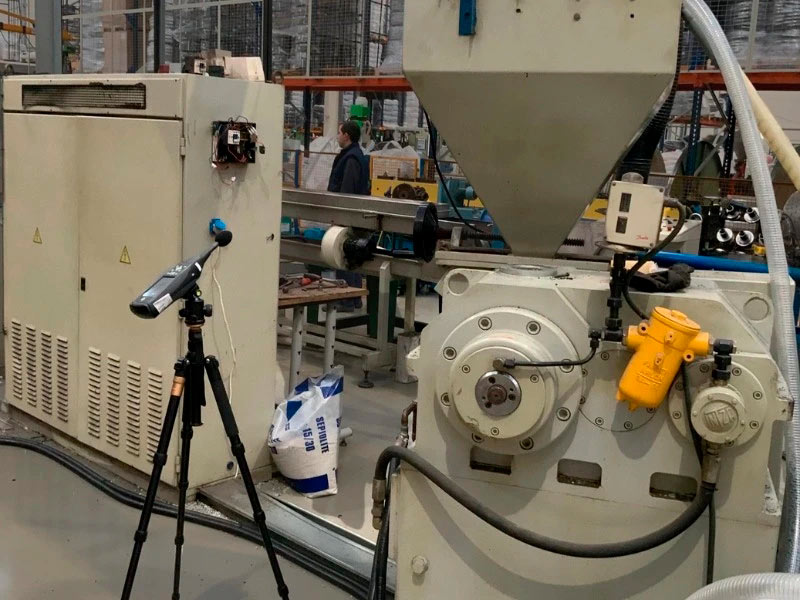
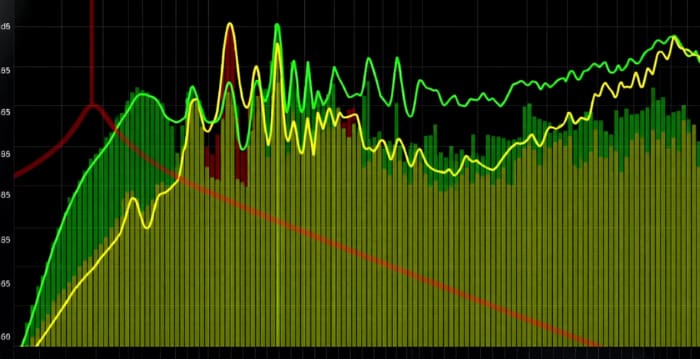
We carry out on-site measurements using calibrated equipment, such as sound level meters and accelerometers, to obtain real-world data on existing noise and vibration levels. This information is crucial for accurately assessing and comparing the situation, as well as the affected regulations, to provide an objective basis for our work.

2
Corrective Measures Design.

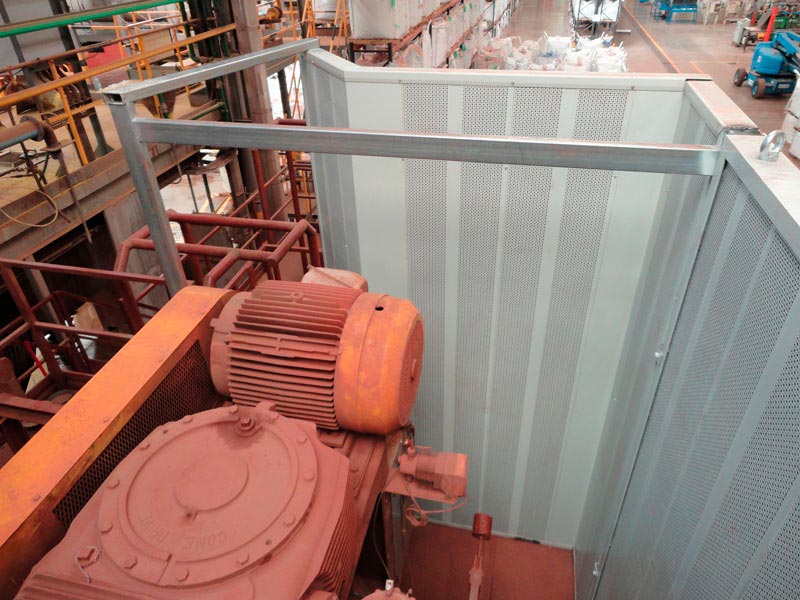
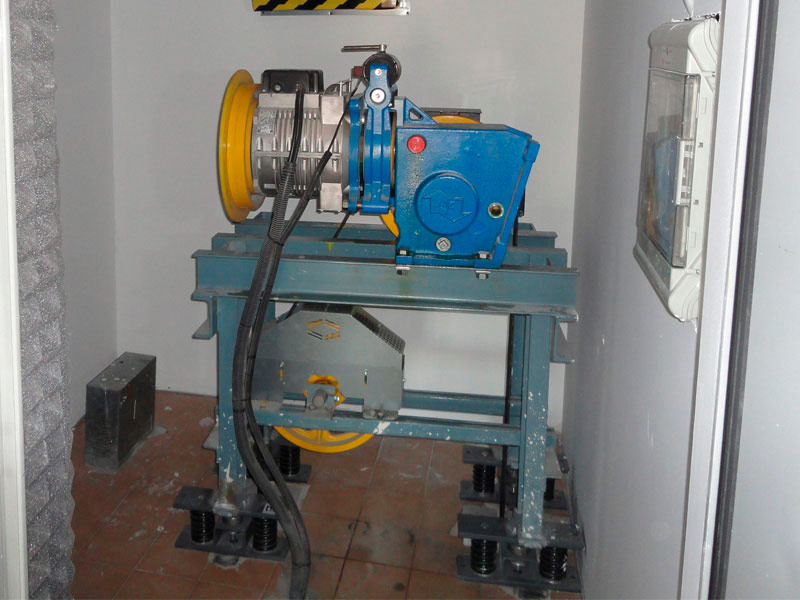
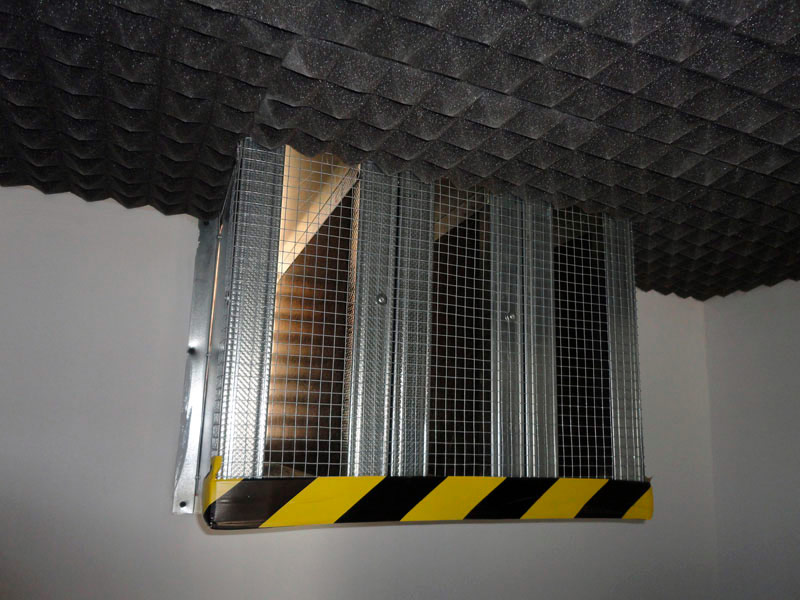
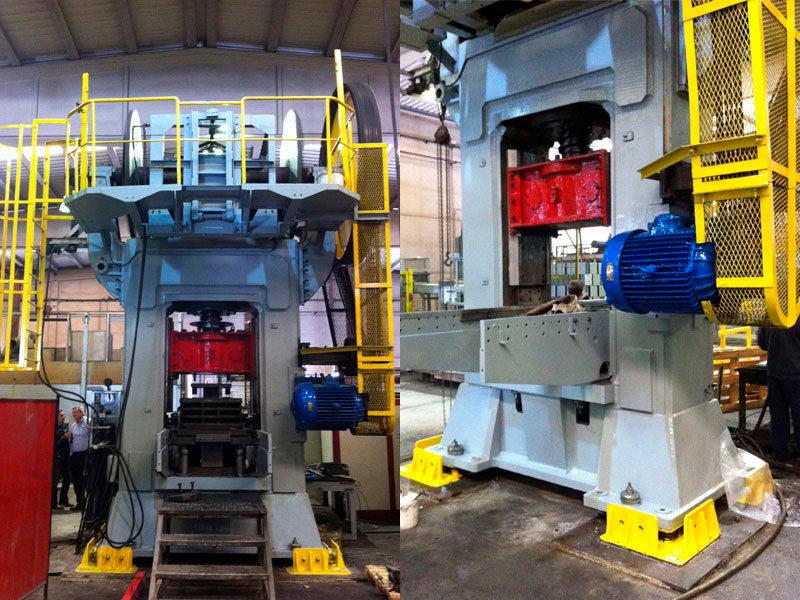
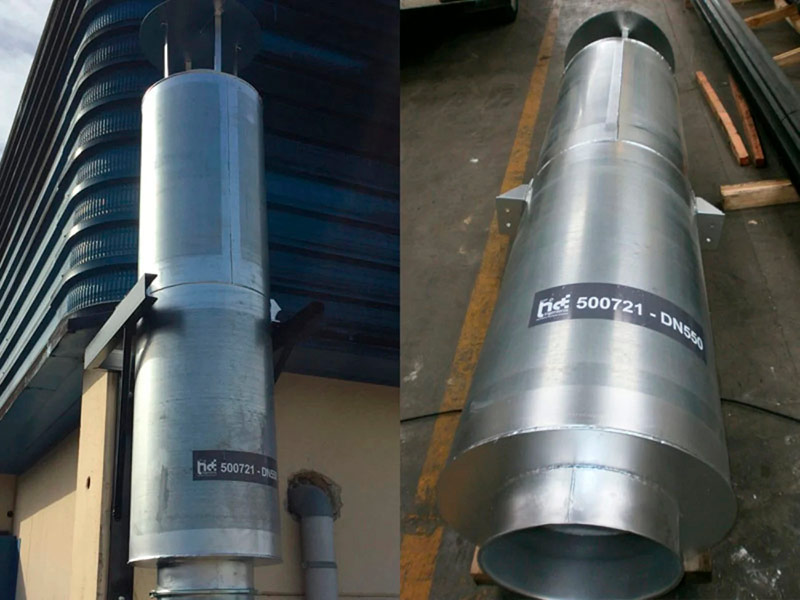
We develop specific solutions such as acoustic enclosures, cabins, partitions, absorbent barriers, pipe insulation, and even special dampers for heavy loads. Each measure is custom-designed according to the machinery, the production environment, and the required attenuation level.

4
Delivery of acoustic study

We deliver the complete acoustic study, including the technical analysis of the measurements, problem identification, and definition of recommended corrective measures. As part of the process, we present the client with a prototype design of the proposed solution for their prior review and validation.

5
Installation measures if the project requires it

If the project requires it, we will install the necessary corrective measures to reduce the detected noise and vibrations. Prior to this, we will provide the client with a detailed quote for the proposed solution for their review and approval, ensuring that the work is tailored to the installation's needs.

5

Control Noise and Vibrations before it's too late with Grupo TICE.

Frequently Asked Questions About Our Industrial Acoustic Survey Service

What is an acoustic study and what is it for?

An acoustic study is a technical evaluation that allows for the measurement, analysis, and interpretation of noise behaviour within a space. Its objective is to identify sound sources, assess worker exposure, and determine how noise or vibration is transmitted in the environment.

In addition to obtaining data, this type of study serves to assess risks, technically justify a situation before the relevant authorities in charge of prevention, and define viable corrective measures. At Grupo TICE, we carry out studies aimed at resolving real-world acoustics problems with technical expertise and a practical approach.

When does a company need an acoustic study?

A company should consider an acoustic study when it detects excessive noise in the plant, operator complaints, acoustic fatigue, machinery vibrations, or difficulties in justifying exposure levels during occupational health and safety audits and reviews.

It is also advisable when new production lines are being implemented, noisy equipment is being incorporated, or a technical report is needed to decide between different industrial soundproofing or anti-vibration insulation solutions.

An acoustic study measures the sound characteristics of an environment. This can include things like sound levels, noise pollution, reverberation time, and sound insulation.

An acoustic study can measure noise levels, identify noise sources, analyse how sound is transmitted, and assess the acoustic behaviour of the environment being studied. Depending on the project, it can also include the evaluation of installations, enclosures, buildings, equipment, or noise exposure conditions.

Beyond measurement, the important thing is the technical interpretation of this data. Therefore, an acoustic study not only quantifies the problem but helps to understand why it occurs and what measures might be most effective in correcting it.

Can an Acoustic study also analyse vibrations?

Yes. In many projects, especially in industrial settings, technical rooms, or building installations, the study can be expanded to analyse vibrations when these are part of the problem or influence acoustic transmission.

This is important because the source of the disturbance is not always solely airborne noise. In some cases, the issue stems from vibrations transmitted through the structure, supports, equipment, or building elements. Analysing both variables allows for a much more accurate diagnosis.

What is the difference between a spot measurement and an acoustic survey?

A spot measurement provides concrete data at a specific moment. A comprehensive acoustic study goes much further: it includes case analysis, data collection, technical interpretation, context assessment and, where appropriate, a proposal for corrective measures.

Simply put, measuring isn't the same as diagnosing. Measurement is part of the study, but the real value lies in converting that data into useful conclusions for making decisions and solving the problem effectively.

This is important because the source of the disturbance is not always solely airborne noise. In some cases, the issue stems from vibrations transmitted through the structure, supports, equipment, or building elements. Analysing both variables allows for a much more accurate diagnosis.

Do I need an acoustic study for an activity like a restaurant or cafe?

In activities such as restaurants, cafés, bars, hotels, or other tertiary spaces, an acoustic study may be necessary to analyse noise impact, assess the venue's constraints, technically justify the activity, or support procedures and audits according to applicable regulations. In the Valencian Community, furthermore, the regional framework includes acoustic studies and audits for certain activities.

Furthermore, this type of study helps identify problems related to kitchens, air conditioning, extraction, soundscape, terraces, or transmission to the environment, allowing for the definition of corrective measures tailored to the reality of the premises.

What is the relationship between RD 286/2006 and an acoustic study?

Royal Decree 286/2006 regulates the protection of workers' health and safety against the risks arising from exposure to noise in the workplace. Therefore, in industrial or work environments, an acoustic study can be a very useful tool for assessing this exposure and supporting preventive decision-making.

This doesn't mean all acoustic studies are governed by this royal decree, but it is a key reference when the issue affects workplaces, exposure levels, or occupational health and safety conditions.

The CTE DB-HR relates to an acoustic study in that it provides the technical basic documents (Documentos Básicos del Código Técnico de la Edificación) that need to be considered for acoustic insulation. Therefore, an acoustic study will typically assess whether a building's design complies with the requirements set out in the DB-HR, particularly regarding noise and sound insulation.

The CTE DB-HR is the Basic Document on Protection against Noise of the Technical Building Code. Its function is to establish rules and procedures for meeting the basic requirements for protection against noise in buildings.

Therefore, its relationship with an acoustic study is especially relevant in building projects, installations in buildings, activities related to the property, or situations where the problem is related to insulation, transmission, or constructive acoustic behaviour. On a website like yours, it fits primarily into the building/construction section and, in some cases, also into activities.

Does the acoustic study include a technical report and corrective measures?

The usual practice is for the acoustic study to include a technical report with the data obtained, the analysis carried out, the conclusions, and, where appropriate, a proposal for corrective measures. In the Valencian regulations on noise pollution, for example, it is expressly stipulated that the study should analyse the sound sources and the necessary corrective measures.

At TICE Group, we focus each study to ensure it's truly useful. Therefore, in addition to measuring and analysing, we propose viable and tailored actions suited to the environment, so that clients are left not just with a diagnosis, but with a clear technical basis for action.

Does Grupo TICE also implement the solution?

Yes. That's one of our main differentiators. At Grupo TICE, we work with a vision of 360 engineering, so we don't limit ourselves to acoustic studies: we analyse the problem, design the most suitable solution, and also implement corrective measures.

This allows for a single technical point of contact throughout the entire process, from initial analysis to final execution, improving project coordination and ensuring that the solution truly aligns with the root of the problem and the needs of the environment.