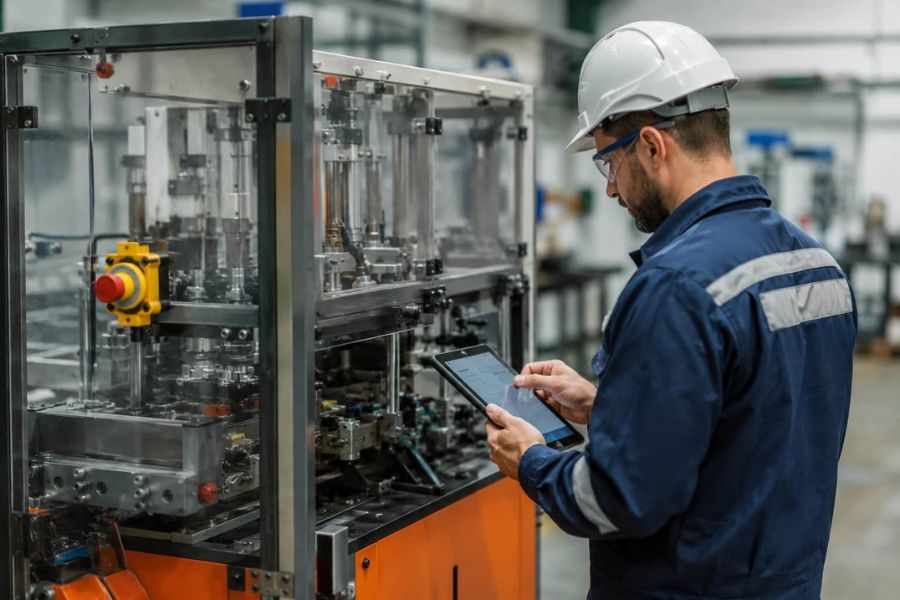
Noise reduces our productivity, how can we avoid it?
The incorporation of elements such as safety, continuous training, corporate social responsibility, employee well-being, and flexible working hours may seem unrelated to productivity at first. However, they show a direct impact on increasing work performance.
In the context of the fourth industrial revolution, the aim is not just interconnection and collaboration between humans and machines. It is also aspired that employees feel happier and more engaged in their work environment. Achieving this state of satisfaction will inevitably lead to improvements in productivity. It is important to bear in mind that we spend a large part of our lives working, so comfort and safety are essential.
It is crucial to consider the effect of the sound environment in the industrial sector, especially in our workplaces. Performing tasks, both mental and physical, in noisy or vibrating environments gradually but constantly wears down our will to labour.
It's not a reading error: «Noise silently erodes our will to work.».
This happens because we tend to underestimate the importance of the noise that affects us day after day. What starts as a minor annoyance can, over time, become an emotional burden that could even trigger conditions like depression.
The purpose of this article is to highlight the benefits of working in quieter industrial environments, how these have a direct impact on increasing productivity, and strategies for implementing these improvements in our organisations.
If we manage to reduce noise, we will achieve:
- Reduce stress
- Increase concentration
- Increase security due to our ability to perceive strange noises
- Improving our health, resulting from hearing loss
- Improve communication
- Reduce the risk of depression
- Improve user positivity and motivation
- It helps us comply with prevention legislation.
The increase in productivity is a direct benefit of reducing noise.
As I have said previously, there are some improvements in the industries that have shown us that, even if not directly linked to production increase productivity, and the Noise and vibration control, is one of them. Research exists that establishes a connection between work efficiency and environmental noise levels in the industrial sector. Curiously, in those countries with higher levels of productivity, the noise environments in their industrial spaces tend to be quieter.
This phenomenon is not limited to industrial settings. In spaces such as offices, restaurants, conference rooms, cinemas, theatres, and even in our own homes, creating quieter environments contributes to an increase in our happiness and productivity.
The biggest challenge lies in how to manage noise and vibrations in our workspaces when these elements are intangible and cannot be seen or touched. To address this problem, it is recommended to follow a series of steps:
How can we eliminate noise and vibrations in our workplaces?
1-. Diagnosis of the degree of compliance with the requirements described by noise and vibration exposure regulations. Analysis of compliance with noise exposure limits in workplaces, analysis of the implementation of the legal requirements of Royal Decree 286/06 within the organisation, analysis of noise and vibration prevention measures, etc.
2.Mapping of noise levels within industrial plants. With the aim of assessing noise levels throughout the factory and being able to delimit sound exposure by areas and locations. To assess the direct and reverberated components of acoustic energy by areas, in order to carry out analyses of the effectiveness of noise-reducing actions, both in terms of actions on the sources and actions on the building (reflected component), etc.
3.- Development of tailored solutions, creating a short, medium, and long-term action plan, always seeking the compromise between investment, objective, and feasibility.
4.- Final assessment of the results and confirmation of the satisfaction of affected persons.
How can we find a solution to this problem?
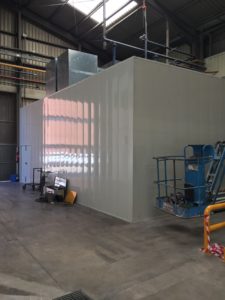
- Acoustic booths These are rooms constructed with sound-insulating and sound-absorbing materials, designed to enclose machinery or noise sources in a controlled environment. When planning the design of these enclosures, it is crucial to consider not only the required noise reduction but also other factors such as ventilation, maintenance, and structural integrity. These elements can influence the performance of both the equipment and the personnel operating it.

- Ventilation silencersThese devices are designed to allow airflow in places such as engine rooms, HVAC systems, transformer rooms, and cogeneration equipment, among others. In each situation, a mechanical, fluid dynamics, and acoustic analysis is carried out to ensure the ventilation silencer is effective and suitable for the specific needs of the environment. There are two most commonly used types of silencers: reactive and absorptive. They must be custom-designed and not exceed the permitted pressure loss.

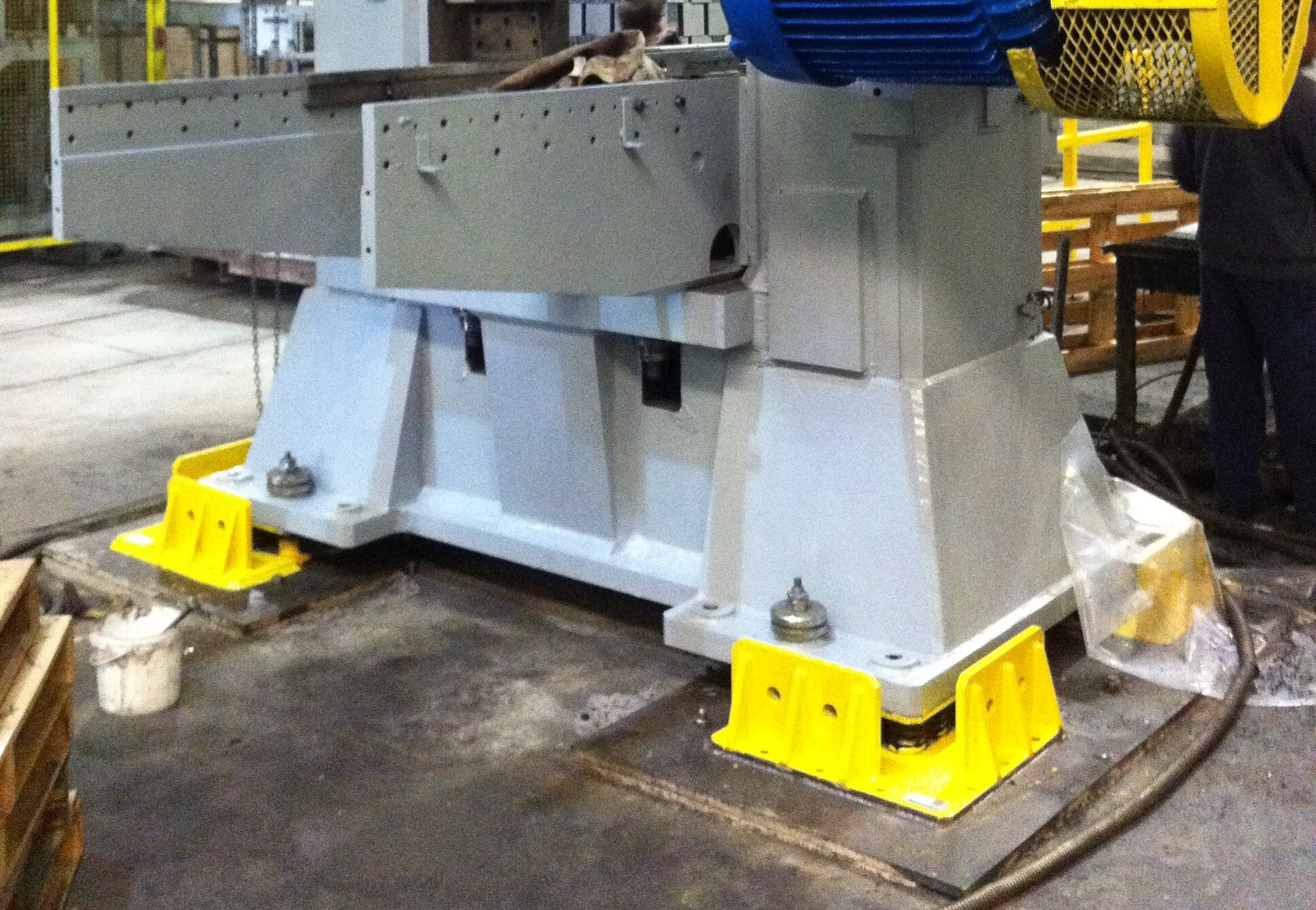
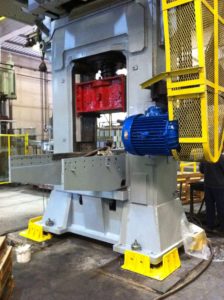
- Shock absorbersThese devices reduce impact by limiting vibration transmission, which in turn reduces structural noise. They can be employed actively to prevent the generating source from emitting vibrations or passively to protect sensitive equipment. The most common applications include compressors, lifts, stamping presses, server rooms, buildings, air conditioning systems, the transport of hazardous goods, and electronic equipment, among others.