When setting up a warehouse for the first time, we must know the load capacity of the shelving to ensure that the loads it will bear are suitable and do not pose risks. This is achieved with the Static validations and shelf calculation, is simply the calculation of racking resistance and that once the report has been created, they are identified by plates clearly and visually showing and certifying the maximum load capacities.
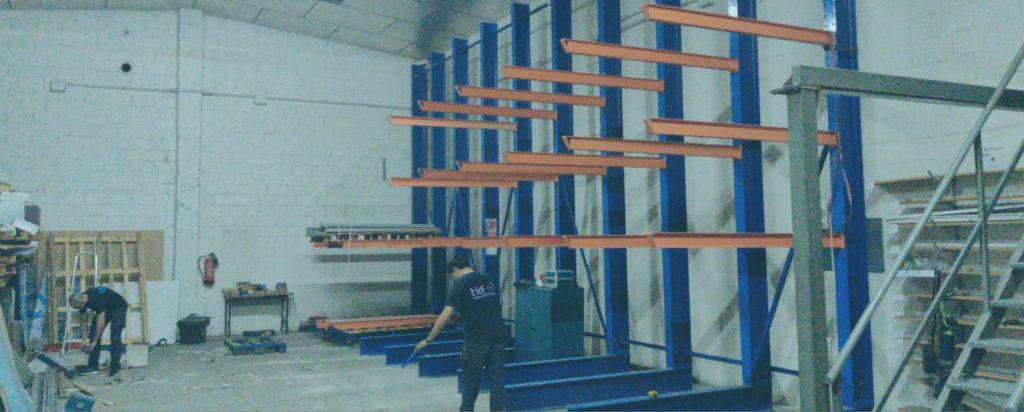
A shelving unit is basically composed of frames and beams. The frames are vertical elements made up of two uprights and diagonals and horizontals forming a lattice. The beams are the horizontal elements that directly support the load of the pallets.
To perform static validation, it is necessary to know the data of the warehouse shelves:
- Brand and model of the shelving unit.
- Main dimensions of each of the structural components (profile and height of the uprights that make up the frames and profile and length of the stringers).
- Shelf configuration(s) (Number of standard levels in the warehouse).
A sign is finally made with the information for each shelf or group of shelves.
At Grupo Tice, we are experts in warehouse safety offering our clients a service of Prevention, assessment, maintenance and development of protection systems which guarantees the good condition and safety of its warehouses, thus avoiding possible damage to both personnel and stored goods. During the lifespan of shelving, it undergoes modifications or alterations and deteriorates over time, causing the initial safety it offered to eventually disappear. This is when a Technical Warehouse Inspection (Italian) to continue maintaining safety standards.