Suitability of machines RD1215/97 and sustainability
Before explaining the relationship between RD1215/97 adequacy and sustainability, it is important to know the parts that make up a machine:
Mechanical components They are the elements that serve as structure and carry out movements and forces, among them are the chassis, mechanisms, actuators, and supports.
Electrical components Responsible for energising and performing operations by transmitting electrical energy to each receiver, these include the electrical panel, wiring, inverters, and relays.
Control system through which we are capable of controlling and coordinating different movements, processes and components to ensure a machine works automatically, including these are, PLC, programme.
The lifespan of each of the parts that make up a machine is not the same, as mechanically they usually do not have many changes. The same is not true for their electrical components, and even less so for the control system, which, over time, bears no resemblance to its initial version.
Work machines or equipment must perform the function for which they are designed and also be safe for use. This, which may seem obvious and is taken into account during the design phase, does not progress in parallel throughout the machine's life cycle. The initial design, from a safety perspective, is carried out based on the legislation and regulations applicable at that time. However, safety legislation changes over time. Even though their functionality remains the same, this fact leads to a large number of machines being taken out of service, despite them still correctly performing the function for which they were designed.
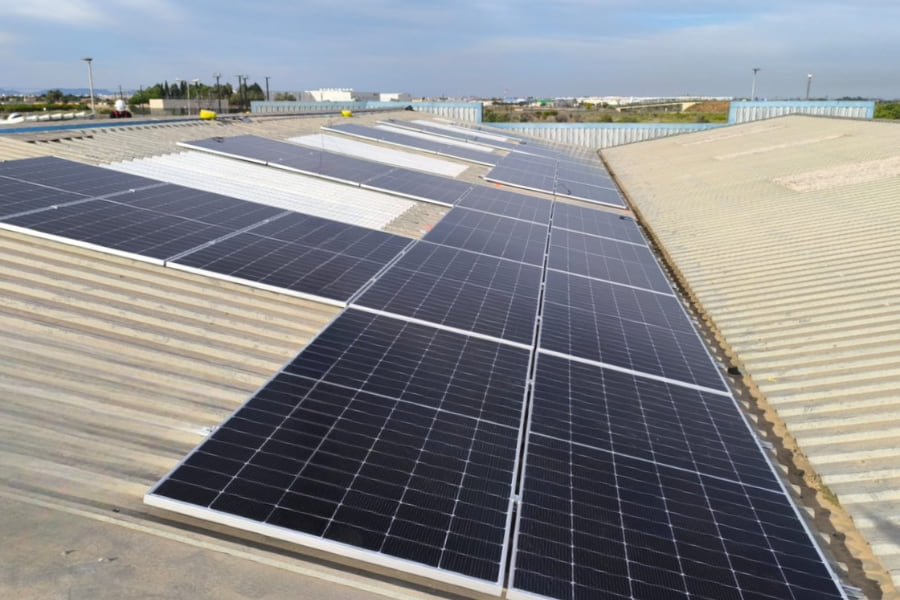
Currently, there is a paradigm shift occurring in the industrial sector where sustainability is becoming increasingly important. Achieving a zero footprint is in direct opposition to planned obsolescence, which, since the Second World War, has been the foundation of our production system. Words such as remove, change, renew and replace, were understood as improvement. Now, we're replacing those words with others like, Repair, reuse, rebuild, recycle.
Why are we going to replace something that works? Why don't we make the most of what we've already paid for? Why are we going to throw away something that can still have a second life? These questions that only had one answer, “We're going to buy a new one,” no longer make sense from an environmental point of view. It's not sustainable to manufacture, manufacture, and manufacture.
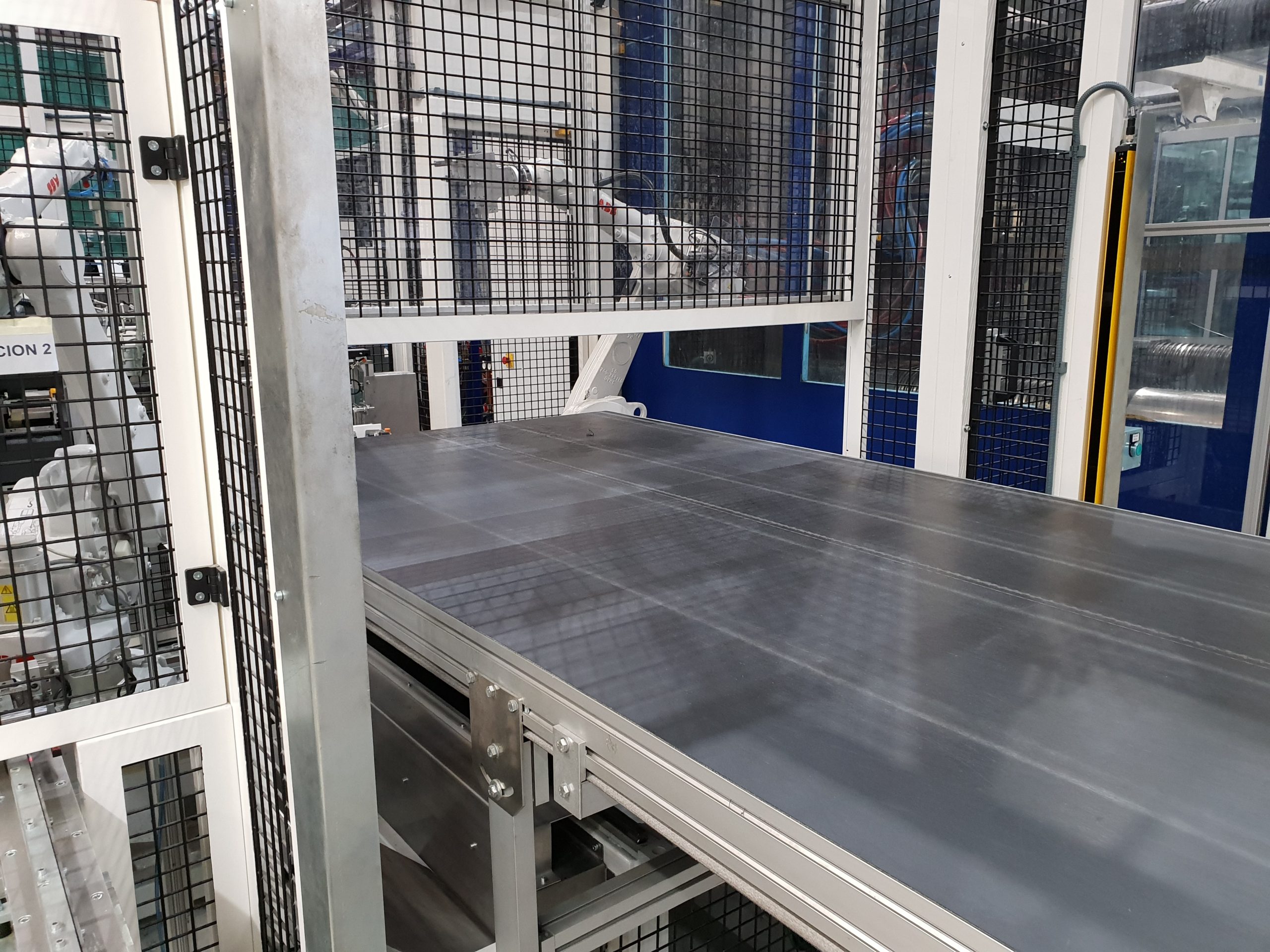
Adapting the equipment we have in our factories, improving their safety systems, their electrical components, and their control systems, is the present we live in. We are committed to ensuring that our time on the planet does not negatively impact future generations.
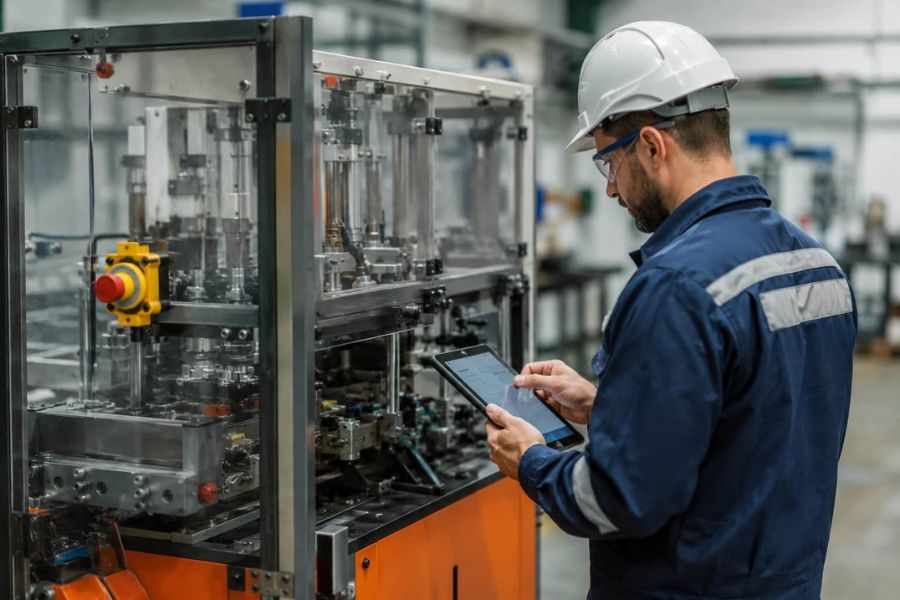
TICE Engineers is totally committed to this philosophy, and we demonstrate this. We modernise existing machines, both in terms of safety adaptations, and electrical and control system upgrades, which contribute directly to sustainability and the environment.
Do you need more information?