A fundamental pillar
It is clear that Industrial Safety has become one of the most important pillars within companies in the main industrial sectors, automotive, agri-food, aerospace, etc...
Each and every one of them must comply with a series of rules or requirements that strengthen workplace safety and establish general guidelines for managing existing risks. At Grupo TICE Ingenieros, we have the capability to advise on and manage technical files with a more than extensive experience.
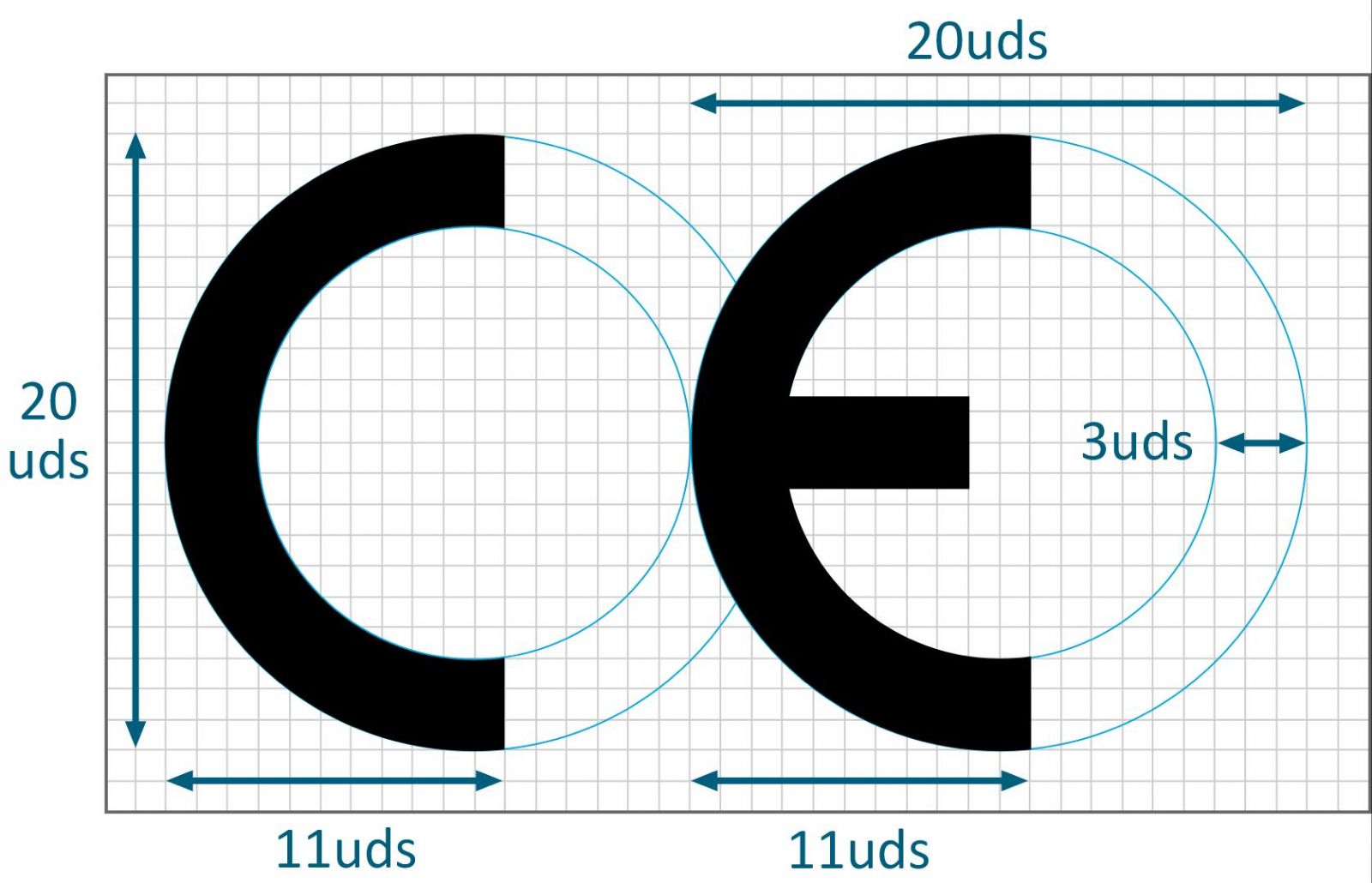
Among these requirements, we can find the CE Marking of Industrial Machinery:
A set of guidelines and applicable standards, which give the user the confidence that these pieces of equipment are safe from the moment they are put into operation.
With this brief definition, we can already get an approximate idea of what CE Marking is within the scope of Industrial Machinery. However, we are going to go one step further, trying to reach a more complete understanding of the concept.
The application of CE Marking to Industrial Machinery pursues two main objectives:
On the one hand, it allows the marketing of machinery within the market, and on the other hand, it guarantees the protection of health and safety within the workplace. This is always achieved under a series of harmonised standards. Therefore, the design and manufacture of a machine must take into account the relevant standards in order to be marketed and put into service.
There may even be cases where certain machines have their corresponding CE marking, and by interacting and collaborating within a common environment (for example, a robotic cell), the risks of the complete assembly must be evaluated and, therefore, the necessary adjustments made so that they continue to comply with applicable regulations.
In other cases, machines may have a special application that requires the involvement of a Notified Body in the conformity assessment process (as is the case with Annex IV of the Machinery Directive).
It is in these scenarios that they are of great importance MACHINERY DIRECTIVE 2006/42/EC, the LOW VOLTAGE DIRECTIVE 73/23/EC, the ELECTROMAGNETIC COMPATIBILITY DIRECTIVE and the ROYAL DECREE 1644/2008.
Directives such as these establish a set of requirements aimed at ensuring Essential Health and Safety Requirements. However, they do not serve as an imposition or recommendation to apply specific technical solutions, but rather grant the manufacturer complete freedom to implement these solutions, provided they comply with the minimum requirements.
Do you need more information?
You can contact us at comercial@grupotice.es